 Pradnya Ganorkar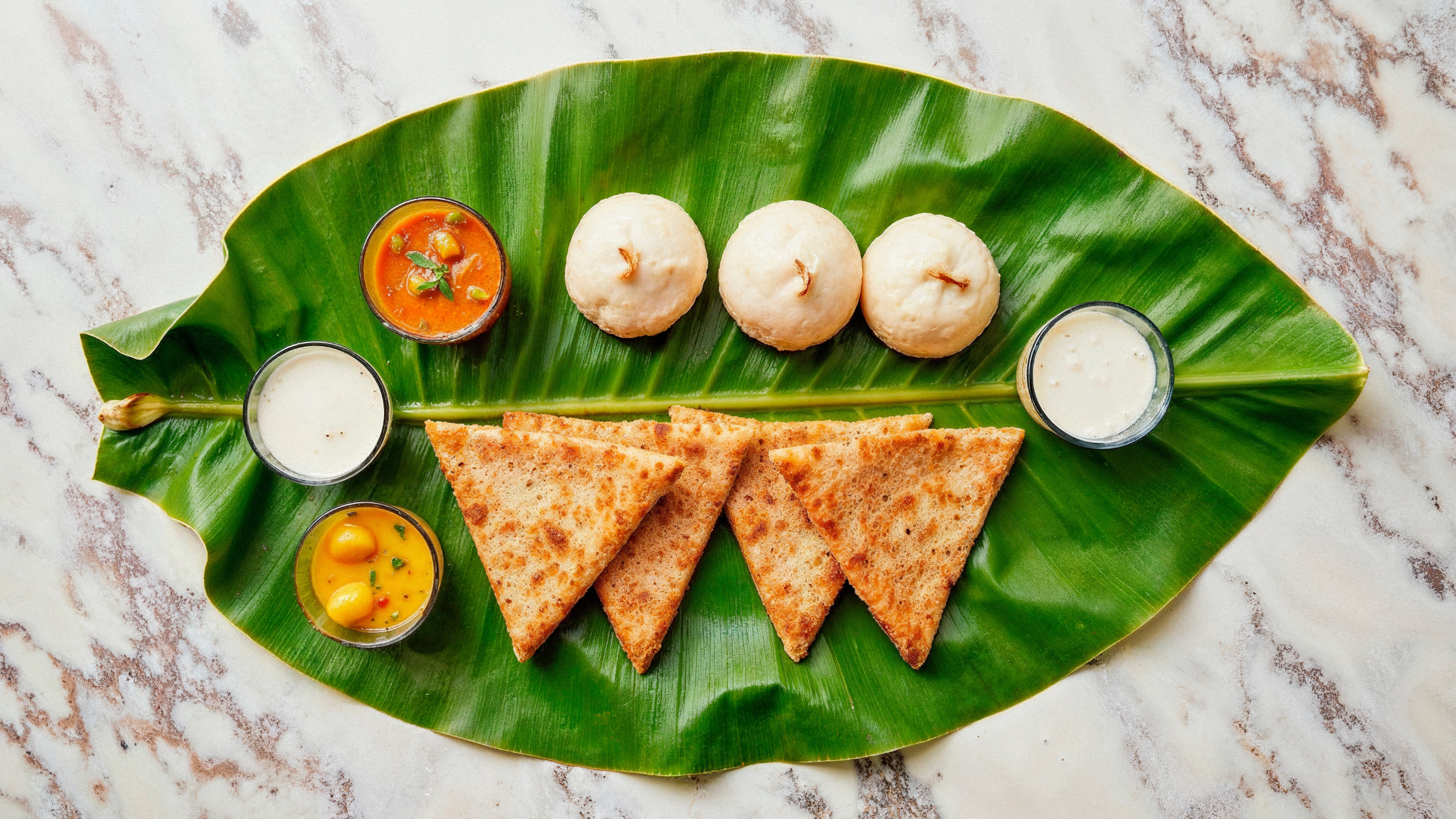
Breakfast sets the tone for your entire day of eating. A high-protein, fibre-rich breakfast keeps you full until lunch, reduces mid-morning snacking, and helps you stay within your daily calorie target. The good news is that traditional Indian breakfasts, when prepared thoughtfully are among the healthiest in the world.
Here are ten of the best Indian breakfast options for weight loss, with calorie counts and practical tips for each.
1. Idli with Sambar: 150 to 200 Calories
Two plain idlis with a bowl of sambar is one of the most nutritionally balanced breakfasts in Indian cuisine. Idli is steamed not fried and contains no added fat. Sambar provides protein from toor dal and a wide range of micronutrients from the vegetables. This combination is low in calories, high in fibre, and gentle on digestion.
To keep calories in check, avoid pairing idli with coconut chutney made with excessive oil, and limit the amount of sambar with potato pieces.
2. Poha: 180 to 220 Calories
Poha is made from flattened rice and is one of India’s most popular breakfast dishes. A standard serving prepared with minimal oil, peas, onion, and spices provides a balanced mix of carbohydrates and vegetables. Adding a handful of roasted peanuts increases the protein content and makes the meal more filling.
The key with poha is oil control, many recipes use two or more tablespoons of oil, which adds 240 unnecessary calories. One teaspoon is sufficient for a satisfying result.
3. Moong Dal Chilla: 200 to 250 Calories for Two
Moong dal chilla is one of the highest-protein Indian breakfast options available. Two chillas made from soaked and blended moong dal provide approximately 12 to 14 grams of protein comparable to two eggs. They are filling, versatile, and can be made quickly on a non-stick pan with minimal oil.
Adding grated paneer or vegetables to the filling further increases the nutritional value without significantly impacting the calorie count.
4. Upma: 180 to 200 Calories
Vegetable upma made from semolina (rava) with generous amounts of vegetables and minimal oil is a low-calorie, satisfying breakfast. It provides steady energy due to the complex carbohydrates in semolina and is quick to prepare on busy mornings.
Oats upma is an even better alternative replacing semolina with oats increases the fibre content and further improves satiety.
5. Eggs: 70 to 150 Calories Depending on Preparation
Eggs are the most protein-efficient breakfast food available. A single large egg contains approximately 70 calories and 6 grams of high-quality protein. Two boiled or poached eggs for breakfast provide 140 calories and 12 grams of protein an excellent foundation for a weight-loss meal.
Scrambled eggs cooked with minimal oil, paired with whole wheat toast or roti, make a complete and satisfying breakfast that keeps hunger at bay well into the afternoon.
6. Dalia (Broken Wheat Porridge): 150 to 200 Calories
Dalia is one of the most underrated breakfast foods in India. Made from broken whole wheat, it is high in fibre, has a low glycaemic index, and is extremely filling relative to its calorie content. It can be prepared as a sweet porridge with milk or as a savoury dish with vegetables.
A bowl of vegetable dalia keeps blood sugar stable for several hours, making it particularly beneficial for people managing their weight or blood sugar levels.
7. Besan Chilla: 150 to 200 Calories for Two
Besan chilla made from gram flour is a protein-rich, low-carbohydrate breakfast option. It is quick to prepare, versatile in terms of fillings and spices, and pairs well with green chutney. Adding finely chopped onion, tomato, and coriander improves both taste and nutritional value.
8. Greek Yogurt or Hung Curd with Fruit: 150 to 200 Calories
A bowl of hung curd or thick dahi with a handful of berries or sliced banana is a quick, protein-rich breakfast that requires zero cooking. Hung curd contains significantly more protein than regular dahi approximately 10 to 12 grams per 100 grams making it one of the most efficient breakfast options for vegetarians.
9. Oats with Milk: 200 to 250 Calories
Rolled oats cooked with low-fat milk, topped with banana and a teaspoon of honey, is a nutritionally complete breakfast that is easy to customise. Oats are high in beta-glucan, a type of soluble fibre that has been shown to reduce appetite and support healthy cholesterol levels. They are one of the most evidence-backed breakfast foods for weight management.
10. Whole Wheat Toast with Peanut Butter: 200 to 250 Calories
Two slices of whole wheat toast with one tablespoon of natural peanut butter provides a balanced mix of complex carbohydrates, healthy fats, and protein. Natural peanut butter made from only peanuts with no added sugar or hydrogenated oils is nutritionally superior to commercial variants.
How to Track Your Indian Breakfast Calories
All of the breakfast options listed in this guide are available in Nutrimate’s Indian food database. You can log each ingredient individually for precise tracking or select the complete dish by name for a quick estimate.
Tracking breakfast consistently is one of the highest-impact habits for weight management it sets a clear calorie budget for the rest of the day and prevents the mindless snacking that derails most diets by mid-morning.
Read Nutrimate Wellness first on Google