 Pradnya Ganorkar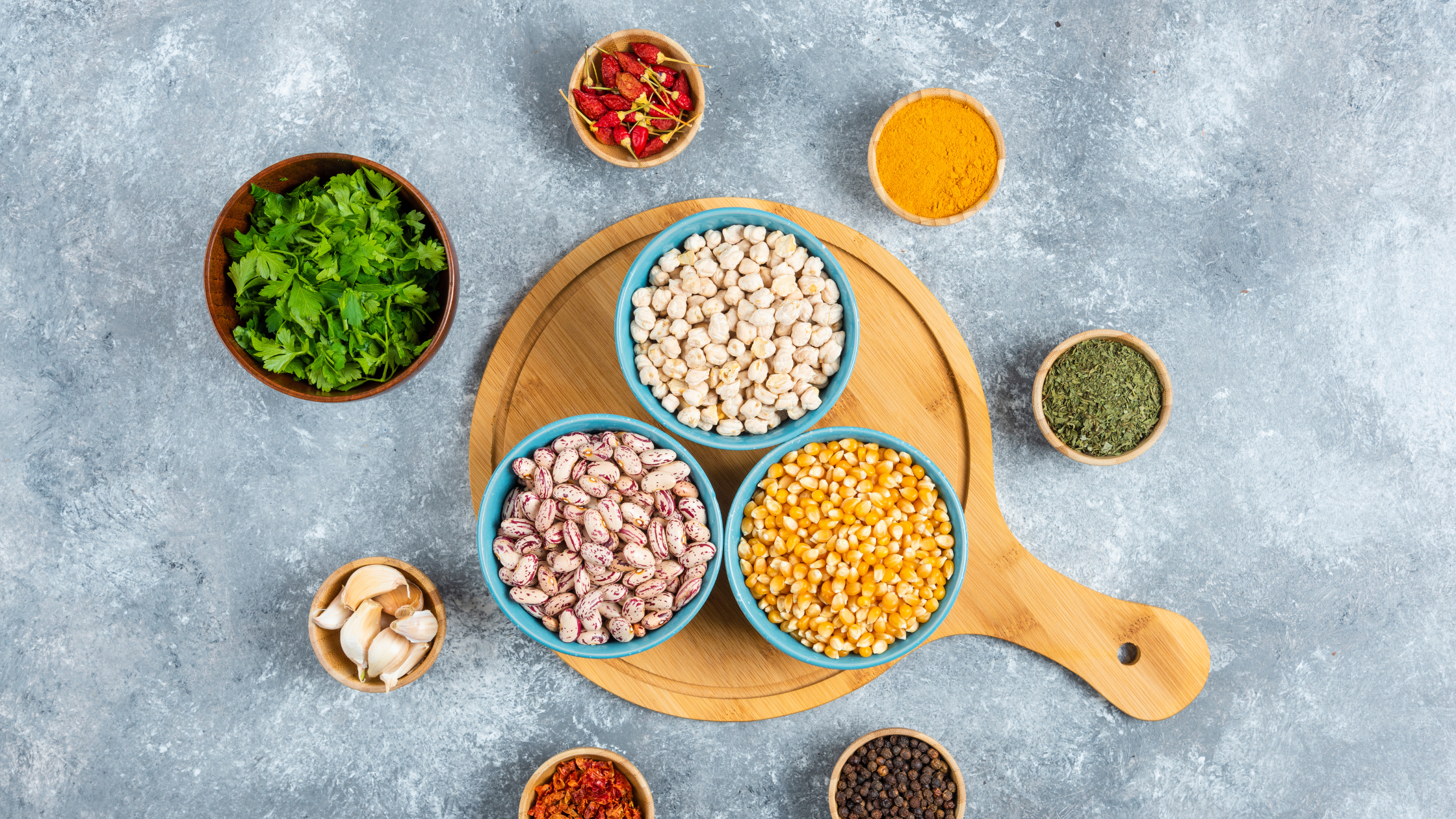
Protein deficiency is the most widespread and least discussed nutrition problem in India. Approximately 73% of Indians consume less protein than the recommended minimum — and this problem is most acute among vegetarians, who make up approximately 40% of the Indian population. The recommended dietary allowance for protein for Indian adults is 0.8 to 1.0 grams per kilogram of body weight per day for sedentary individuals, and 1.2 to 2.0 grams per kilogram for those who exercise regularly. For a 60kg vegetarian Indian adult who exercises three times per week, this means 72 to 96 grams of protein per day. The average Indian vegetarian diet provides approximately 40 to 55 grams — a gap significant enough to affect muscle maintenance, satiety, hormonal health, and metabolic rate. Nutrimate tracks protein intake daily alongside calories, making the protein gap visible and actionable for the first time.
Why Protein Matters Beyond Muscle Building
The association of protein with bodybuilding has led many Indian women and older adults to dismiss protein as a concern only for gym-goers. This is a significant misunderstanding. Protein is the structural material of every cell in the human body — organs, hormones, enzymes, antibodies, and neurotransmitters are all protein-based.
Adequate protein intake is essential for: maintaining muscle mass as the body ages — which directly affects metabolism and mobility. Supporting hormonal health — particularly important for women managing PCOS, thyroid conditions, and menopause. Maintaining satiety between meals — protein is the most satiating macronutrient, and adequate protein intake naturally reduces between-meal snacking. Supporting immune function — antibodies are proteins.
The Indian Vegetarian Protein Sources — Ranked
Paneer is the highest-protein commonly consumed Indian vegetarian food at approximately 18 grams of protein per 100 grams. For daily protein building, it is the most efficient single-food source available in most Indian kitchens. 100 grams of paneer provides 18 grams of protein at approximately 265 calories.
Dals and legumes are the traditional protein foundation of Indian vegetarian diets. Toor dal provides approximately 6 to 7 grams of protein per cooked katori. Moong dal provides 7 to 8 grams. Rajma provides 8 to 9 grams. Chana dal provides 7 to 8 grams. The key insight is that a single katori of dal — the standard Indian serving — provides 6 to 9 grams of protein, not the 20 to 25 grams that many people assume.
The Protein Math — Why Most Vegetarians Fall Short
A typical Indian vegetarian lunch of 2 roti, 1 katori dal, 1 katori sabzi provides approximately 15 to 20 grams of protein. A similar dinner provides another 15 to 20 grams. Breakfast — often poha, upma, or toast — provides 5 to 10 grams. Total: 35 to 50 grams of protein per day.
To reach 80 grams per day on a vegetarian Indian diet requires deliberately adding protein at each meal. This means having paneer or curd or sprouts at breakfast, adding an extra katori of dal at lunch, having a snack of roasted chana or mixed nuts in the afternoon, and ensuring dinner includes a substantial protein source.
High Protein Indian Vegetarian Swaps
Replace white rice partially with protein-rich alternatives like quinoa or add a side of sprouts to rice dishes. Replace plain curd with hung curd — which has significantly higher protein density. Use soy milk instead of regular milk if dairy intake is limited. Add besan to rotis — 2 tablespoons of besan added to atta significantly increases protein per roti. Snack on roasted chana, makhana, or mixed nuts rather than biscuits or namkeen.
How Tracking Changes Everything for Vegetarian Protein
The most common response when vegetarians learn about the protein gap is surprise — they believed they were eating enough because they eat dal every day. Tracking makes the actual numbers visible. When you log your meals in Nutrimate and see that lunch provided 17 grams of protein against a target of 25 grams for that meal, the gap becomes concrete and actionable.
Over two to four weeks of protein tracking, most vegetarian users naturally adjust their eating — adding a second katori of dal, choosing paneer over potato in restaurants, having curd with breakfast rather than skipping it. These small, sustainable changes, guided by visible data, close the protein gap more effectively than any diet plan.