 Pradnya Ganorkar
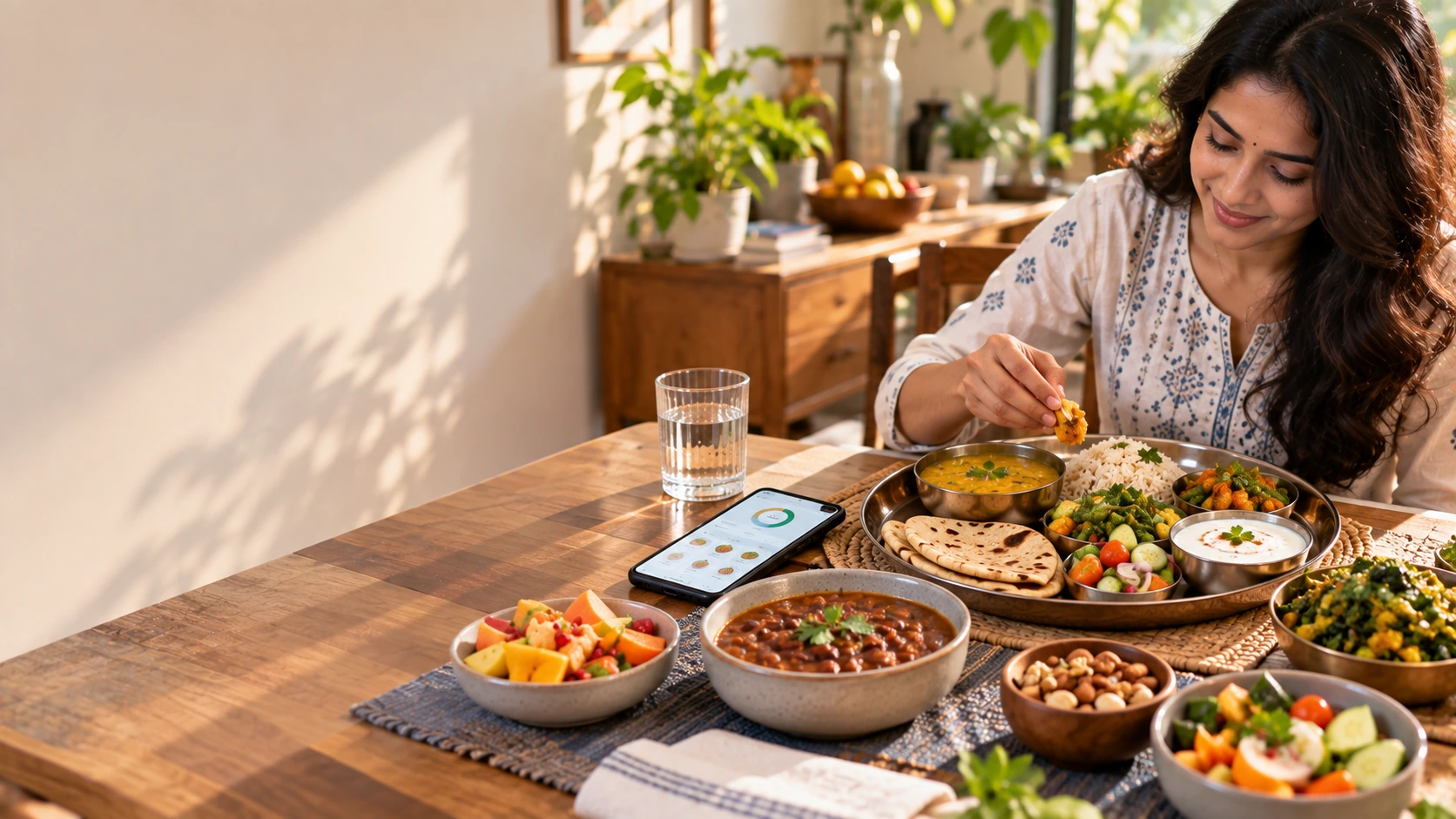
Is Indian food healthy? The answer depends less on whether a meal is “Indian” and more on what it contains, how it is prepared, and how much is eaten. Traditional Indian food and health have a much stronger relationship than many modern diet conversations suggest.
A traditional Indian plate can contain dal, vegetables, curd, roti or rice, seasonal fruit, legumes, nuts and spices. These foods can support weight loss, fat loss, muscle gain, and general wellbeing when portions and overall dietary balance are appropriate.
The bigger issue is that modern eating patterns have changed. Packaged snacks, sugary drinks, refined foods, restaurant meals and excessive oil can turn an otherwise nutritious food culture into a less balanced diet.
Why Indian Food Gets a Bad Reputation It Does Not Deserve
Indian food is sometimes criticised as being too carbohydrate-heavy, oily or calorie-dense. These concerns usually focus on certain dishes rather than the full range of Indian cooking.
A traditional Indian meal can provide several important food groups at once.
For example:
Dal + roti + sabzi + curd provides legumes, cereals, vegetables and dairy.
Idli + sambar + vegetables combines a fermented preparation with pulses and vegetables.
Rajma + rice + salad combines legumes with a cereal and vegetables.
These are not inherently unhealthy meals.
The problem often comes from what is added around them: excessive oil, large portions, frequent fried snacks, sugary beverages, desserts and highly processed convenience foods.
This distinction matters for healthy Indian eating because removing familiar foods is rarely necessary for building a better diet.
The Traditional Indian Diet: What Research Actually Shows
The traditional Indian diet is not one fixed diet. Food patterns differ substantially across regions, communities and households.
However, many traditional patterns include pulses, legumes, vegetables, fruits, grains, dairy, nuts, seeds and spices.
ICMR-NIN’s Dietary Guidelines for Indians recommend including foods from multiple food groups, including cereals and millets, pulses, vegetables, fruits, nuts and seeds, dairy, and other appropriate protein sources.
This diversity is one of the strongest nutritional features of traditional Indian cooking.
A meal does not need to contain a specialised “health food” to be nutritious. Familiar foods can contribute to a balanced diet when combined appropriately.
The key is variety.
For someone following an Indian diet, this means building meals around different food groups rather than repeatedly eating the same carbohydrate-heavy combination.
For someone pursuing muscle gain, the focus should include adequate protein alongside resistance training and overall energy needs. For fat loss, portion awareness and overall energy balance become particularly important.
The Most Nutritious Elements of Indian Cooking
Several components of Indian cooking can make everyday meals nutritionally valuable.
Legumes and pulses
Dal, chana, rajma, moong, masoor and other pulses provide protein, carbohydrates and dietary fibre.
For vegetarians, combining different foods across the day can help create a more nutritionally complete eating pattern.
This is particularly relevant when considering protein for muscle gain india or protein for indian vegetarians. The goal should be to consistently include appropriate protein sources rather than relying on one food.
Vegetables and leafy greens
Indian cooking offers an extensive range of seasonal vegetables and leafy greens.
Bhindi, lauki, baingan, beans, carrots, spinach, methi and other vegetables can add fibre, vitamins and minerals without making meals unnecessarily complicated.
Fermented foods
Foods such as idli, dosa, curd and other fermented preparations have long been part of Indian food traditions.
Spices and herbs
Turmeric, cumin, ginger, coriander, pepper and other spices contribute flavour without being major sources of calories.
The important point is that spices do not make a meal unhealthy. The nutritional outcome depends much more on the overall recipe, cooking fat, portion size and accompanying foods.
Where Modern Indian Diets Diverge From Traditional Patterns
The modern problem is often not traditional Indian food. It is the gradual replacement of balanced home-style meals with convenient, highly processed options.
A traditional snack might be fruit, roasted chana or a small portion of nuts.
The modern replacement may be packaged namkeen, biscuits, sweetened beverages or fried snacks eaten repeatedly throughout the day.
The same shift can happen at main meals. A home-cooked dal and vegetable meal may be replaced by restaurant food several times a week.
This is where Indian food and health becomes an important distinction between traditional patterns and modern consumption.
The issue is not that rice, roti or potatoes suddenly became unhealthy.
It is that a diet can become less balanced when it contains too many refined foods, added sugars, excess sodium, fried foods and highly processed products.
WHO similarly identifies minimally processed and unprocessed foods such as whole grains, vegetables, fruits, legumes and nuts as foundations of healthy diets, while recommending moderation of unhealthy fats, free sugars and sodium.
The Urbanisation Problem: How City Life Changed Indian Eating
Urban life has changed how many Indians shop, cook and eat.
A working professional in Bengaluru may leave home early, skip breakfast, order lunch, drink several cups of sweetened tea and rely on packaged snacks between meetings.
A family in Mumbai may cook regularly during the week but order restaurant food several times over the weekend.
A student or young professional may have access to more food choices than ever, but less time to think about what they are eating.
These are real barriers to healthy lifestyle habits.
Convenience also changes portion awareness. Restaurant meals can contain more oil, salt or food than someone would typically use at home.
This is why asking whether one food is “healthy” is often less useful than looking at the complete pattern.
A practical assessment asks:
- How often is the food eaten?
- What portion is consumed?
- How is it prepared?
- What foods are eaten with it?
- What does the rest of the day’s diet look like?
How to Make the Modern Indian Diet Healthier Without Losing Culture
Healthy eating does not require abandoning Indian food.
Instead, make small changes to the existing pattern.
Keep familiar staples. Roti and rice can remain part of meals while portions are adjusted according to individual needs.
Add protein deliberately. Include dal, legumes, eggs, paneer, curd or other suitable sources.
Increase vegetables. Make seasonal vegetables a regular part of lunch and dinner.
Use cooking fats thoughtfully. Ghee and other fats are energy-dense, so quantity matters. Moderate use can fit into an overall healthy diet for many people, but excessive intake can make meals significantly more calorie-dense.
Reduce routine packaged snacking. Foods such as namkeen, biscuits and fried snacks can be occasional foods rather than automatic daily additions.
Track patterns instead of fearing individual foods.
For people trying to follow how to stay healthy without dieting, this approach is more practical than eliminating entire food groups.
Nutrimate supports this positive framing by helping users understand the nutritional composition of familiar Indian dishes rather than treating Indian food itself as the problem. Its Indian-first approach, combined with simple WhatsApp-based logging and India’s #1 whatsapp meal logging feature and Unique Caregiver feature, is designed around awareness and consistency rather than food fear.
Indian Food and Long-Term Health Outcomes
The long-term health impact of Indian food depends on the overall dietary pattern.
A traditional pattern rich in vegetables, legumes, whole or minimally processed foods, fruits and varied protein sources can support a healthier lifestyle.
A modern pattern dominated by highly processed snacks, sugary drinks, frequent fried foods and excessive portions is a different nutritional picture.
This also changes how we should think about common Indian food myths.
Myth: Roti or rice automatically causes weight gain.
Reality: Overall energy intake, portion size, activity and the broader diet matter more than blaming one staple food.
Myth: Spicy food causes weight gain.
Reality: Spices themselves are not calorie-dense. The amount of oil, ghee and other calorie-containing ingredients used in preparation matters more.
Myth: Healthy Indian eating requires expensive imported foods.
Reality: Dal, seasonal vegetables, fruits, curd, legumes, grains and other familiar foods can form the foundation of a nutritious diet.
For people pursuing Weight loss, the goal should be a sustainable eating pattern that can survive normal Indian life, including family meals, festivals, travel and social occasions.
For people focused on muscle gain, nutrition needs to provide enough protein and energy alongside appropriate training.
The strongest approach is therefore not to ask whether Indian food is healthy as a category. Ask whether the specific meal and the overall eating pattern provide adequate nutrition, appropriate portions and enough variety.
Reference:
- ICMR-NIN Dietary Guidelines for Indians
- WHO Healthy Diet Guidance
FAQs
Traditional Indian food is nutritionally rich, featuring legumes, vegetables, spices with anti-inflammatory properties, fermented foods, and diverse grains. Modern urban Indian diets with high ultra-processed content are where health problems originate.
Ghee in moderate quantities is not harmful for most healthy people. It contains fat-soluble vitamins and has a high smoke point making it stable for cooking. The concern arises from excessive quantities combined with a sedentary lifestyle.
Spices themselves are not calorie-dense. Oil used in cooking is the primary calorie consideration in Indian food preparation.
Traditional Indian diets rich in legumes, vegetables, spices like turmeric and cumin, and fermented preparations have protective properties associated with reduced inflammation and better metabolic health outcomes.