 Pradnya Ganorkar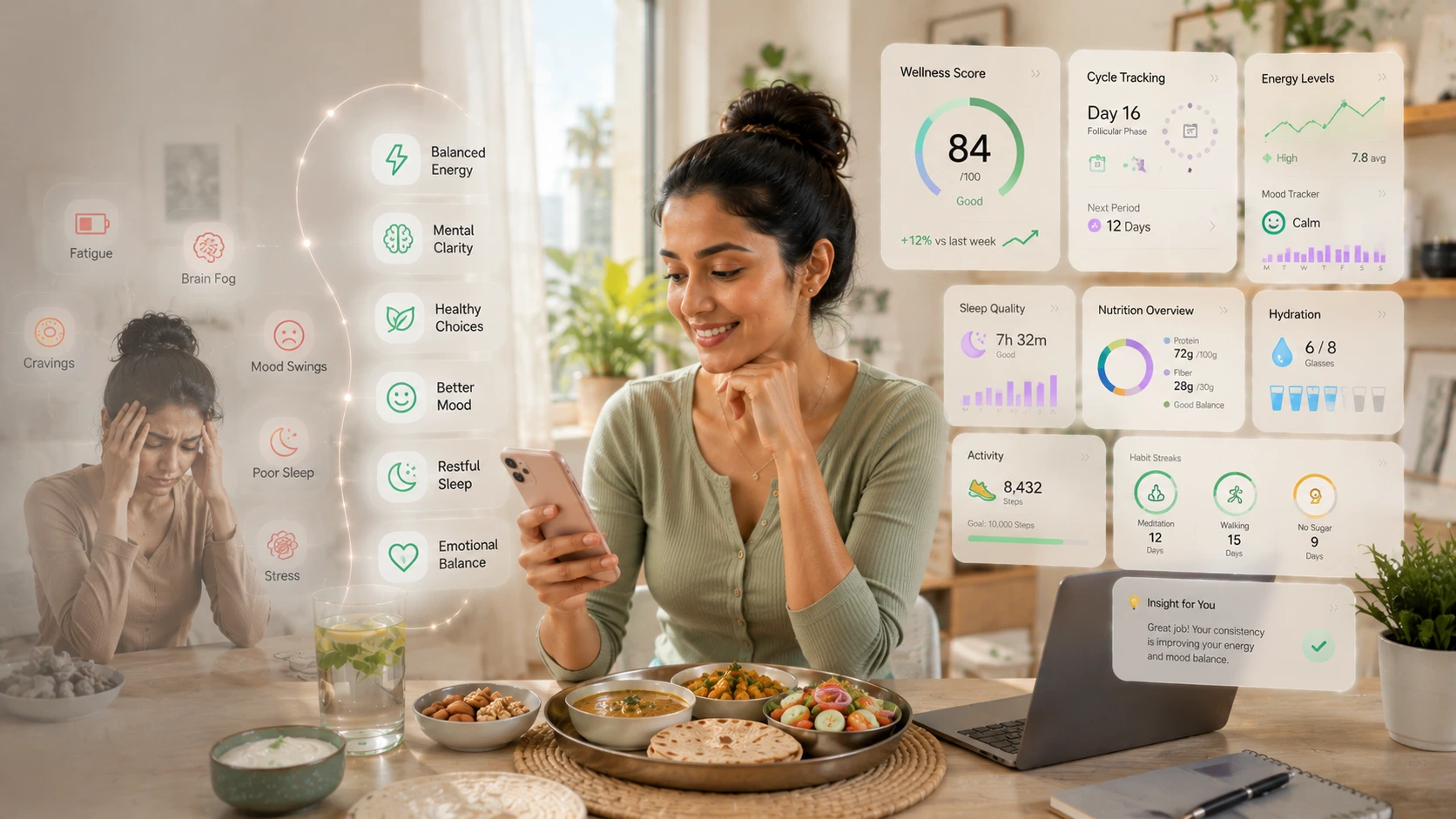
Many women spend years trying to understand why some days feel completely different from others.
One day energy levels are high, motivation feels natural, and healthy eating seems effortless.
A few days later, cravings increase, fatigue appears, concentration drops, and emotions feel harder to manage.
These experiences are often dismissed as lack of discipline, poor motivation, or stress.
In reality, they may be closely connected to hormonal health for women.
Hormones influence far more than reproductive health. They affect energy production, hunger signals, mood regulation, sleep quality, metabolism, and overall wellbeing.
For women navigating modern life, demanding careers, family responsibilities, and increasingly busy lifestyles in india, understanding hormones can provide valuable insight into everyday health challenges.
The goal is not to obsess over hormones.
The goal is awareness.
When women understand how hormonal patterns influence daily experiences, they can build healthier routines, make better decisions, and develop more sustainable approaches to wellness.
What Hormones Actually Do
Hormones are chemical messengers that help coordinate communication between different systems in the body.
They influence:
- Energy levels
- Appetite regulation
- Mood
- Sleep cycles
- Metabolism
- Reproductive health
- Stress response
When hormones are functioning well, the body operates more efficiently.
When hormonal patterns become disrupted, symptoms often appear gradually.
Hormones Affect More Than Menstrual Cycles
Many women associate hormones only with periods.
However, hormones influence nearly every aspect of physical and emotional wellbeing.
For example:
- Estrogen helps regulate mood and energy.
- Progesterone influences sleep and relaxation.
- Insulin affects blood sugar management.
- Cortisol controls stress responses.
- Ghrelin and leptin regulate hunger and fullness.
This is why symptoms such as fatigue, cravings, mood swings, and poor sleep often occur together.
Hormonal Changes Are Not Always a Disorder
Not every fluctuation indicates a medical condition.
Hormonal changes naturally occur throughout:
- Menstrual cycles
- Pregnancy
- Postpartum recovery
- Perimenopause
- Menopause
The challenge is identifying whether symptoms follow predictable patterns or indicate something that requires professional evaluation.
This is where women’s nutrition tracking and period health tracking can become valuable awareness tools.
Why Energy Fluctuates
One of the most common complaints among women is inconsistent energy.
Many assume they need more caffeine, stronger motivation, or better time management.
Often, hormones play a significant role.
Blood Sugar and Energy
Energy levels are strongly influenced by blood sugar stability.
Meals dominated by refined carbohydrates can create rapid spikes followed by crashes.
This can result in:
- Afternoon fatigue
- Brain fog
- Irritability
- Reduced productivity
Balanced meals containing protein, fiber, and healthy fats often support more stable energy.
For example:
Instead of tea and biscuits for breakfast:
- Vegetable poha with peanuts
- Paneer chilla
- Moong dal cheela
- Eggs with whole grain toast
may provide more sustained energy.
Protein Intake Matters
Many Indian women unknowingly consume insufficient protein.
Studies and dietary assessments frequently show low protein intake among Indian adults.
Understanding protein in average indian meal becomes particularly important for women experiencing low energy.
Similarly, protein for indian vegetarians remains a major consideration because many traditional meals are carbohydrate-heavy but protein-light.
Stress and Cortisol
Long working hours, commuting, caregiving responsibilities, and constant digital connectivity contribute to chronic stress.
Elevated cortisol levels can:
- Increase fatigue
- Affect concentration
- Disrupt sleep
- Influence appetite
This is one reason why maintaining a healthy lifestyle for busy Indians requires more than simply following a diet plan.
Hunger, Cravings and Mood Changes
Many women feel frustrated when cravings seem uncontrollable.
However, cravings are often influenced by biological signals rather than lack of willpower.
Why Cravings Happen
Cravings may increase because of:
- Poor sleep
- Stress
- Hormonal fluctuations
- Irregular eating schedules
- Nutrient deficiencies
For example, women often notice stronger cravings during specific phases of their menstrual cycle.
Recognizing these patterns can reduce guilt and improve decision-making.
The Indian Snack Challenge
Many common Indian snacks are convenient but calorie dense.
Examples include mixtures, fried snacks, and packaged namkeen.
Questions such as:
- calories in namkeen
- 100 gm namkeen calories
- 1 katori namkeen calories
- calories in 100 gm namkeen
frequently surprise people because portion sizes are often underestimated.
Awareness does not mean avoiding favorite foods.
It means understanding how often and how much they contribute to overall intake.
Mood and Hormones
Hormones influence neurotransmitters such as serotonin and dopamine.
This explains why some women experience:
- Irritability
- Anxiety
- Low mood
- Reduced motivation
during particular phases of the menstrual cycle.
Understanding these patterns creates self-awareness rather than self-criticism.
Myth vs Reality
Myth:
Mood changes are simply emotional weakness.
Reality:
Hormonal fluctuations can directly influence emotional experiences and stress responses.
Sleep and Hormonal Health
Sleep is one of the most underrated factors affecting hormonal health for women.
Poor sleep affects multiple hormones simultaneously.
What Happens When Sleep Suffers
Insufficient sleep can influence:
- Hunger hormones
- Stress hormones
- Blood sugar regulation
- Recovery processes
Women sleeping poorly often report:
- Increased cravings
- Lower energy
- Reduced exercise consistency
- More difficulty managing stress
The Sleep-Hormone Cycle
Poor sleep affects hormones.
Hormonal disruption affects sleep.
This creates a cycle that can become difficult to break.
Supporting Hormonal Balance Through Sleep
Practical strategies include:
- Consistent sleep schedules
- Reduced late-night screen exposure
- Regular physical activity
- Balanced evening meals
These approaches support hormonal balance naturally without requiring complicated interventions.
Why Tracking Matters
Many women fail to connect sleep quality with energy and mood changes.
Tracking sleep alongside symptoms often reveals patterns that would otherwise go unnoticed.
This is one reason awareness-focused tools can be helpful.
Nutrimate supports simple health visibility through AI-powered wellness tracking, helping users identify recurring relationships between nutrition, sleep, activity, and wellbeing without adding complexity.
Daily Habits That Support Hormonal Wellness
Many women search for a perfect solution.
In reality, consistency usually matters more than perfection.
Prioritize Balanced Meals
A balanced meal generally includes:
- Protein
- Fiber
- Healthy fats
- Complex carbohydrates
This supports more stable energy and appetite regulation.
Focus on Sustainable Habits
Many wellness plans fail because they are too restrictive.
This is one reason why diets fail long term.
The most effective approaches emphasize:
- Consistency
- Flexibility
- Awareness
rather than extreme rules.
Building sustainable health habits is often more beneficial than pursuing short-term perfection.
Physical Activity Matters
Exercise supports:
- Insulin sensitivity
- Mood regulation
- Stress management
- Energy levels
The goal is regular movement rather than punishing workouts.
Reduce Stress Where Possible
No one can eliminate stress entirely.
However, simple practices such as:
- Walking
- Meditation
- Deep breathing
- Time outdoors
can positively influence hormonal health.
Track Patterns, Not Perfection
One of the biggest advantages of modern wellness technology is visibility.
Rather than focusing exclusively on weight, women can track:
- Energy
- Mood
- Sleep
- Menstrual cycles
- Nutrition patterns
Nutrimate’s India’s #1 whatsapp meal logging feature and Unique Caregiver feature support practical awareness by making health tracking easier within everyday routines.
This aligns with a broader shift toward healthy habits for PCOS, preventive wellness, and long-term health visibility.
Special Considerations for PCOS
Women managing PCOS often benefit from understanding how nutrition, activity, sleep, and stress interact.
A structured PCOS diet India approach does not necessarily require eliminating traditional foods.
Instead, it focuses on sustainable improvements.
Similarly, effective PCOS lifestyle changes are usually built around daily habits rather than temporary restrictions.
Whether following a PCOS meal plan India or exploring an Indian diet for PCOS, consistency remains the most important factor.
When to Seek Professional Help
While lifestyle changes can be valuable, some symptoms should be discussed with a healthcare professional.
Consider seeking support if you experience:
- Persistent fatigue
- Irregular periods
- Significant weight changes
- Severe mood symptoms
- Excessive hair growth
- Difficulty managing PCOS symptoms
- Ongoing sleep disturbances
Professional evaluation helps identify whether symptoms relate to hormones, nutrition, stress, medical conditions, or a combination of factors.
Tracking symptoms beforehand can provide useful context during consultations.
The objective is not self-diagnosis.
The objective is informed decision-making.
FAQs
Hormones influence metabolism, blood sugar regulation, stress responses, and sleep quality. Changes in hormone levels can affect how energetic or fatigued a person feels throughout the day.
Cravings can be influenced by hormonal fluctuations, poor sleep, stress, blood sugar changes, and eating patterns. They are often biological signals rather than simply a lack of willpower.
Yes. Sleep plays a major role in hormone regulation. Poor sleep can influence hunger hormones, cortisol levels, blood sugar control, mood, and overall hormonal balance.
Read Nutrimate Wellness first on Google