 Pradnya Ganorkar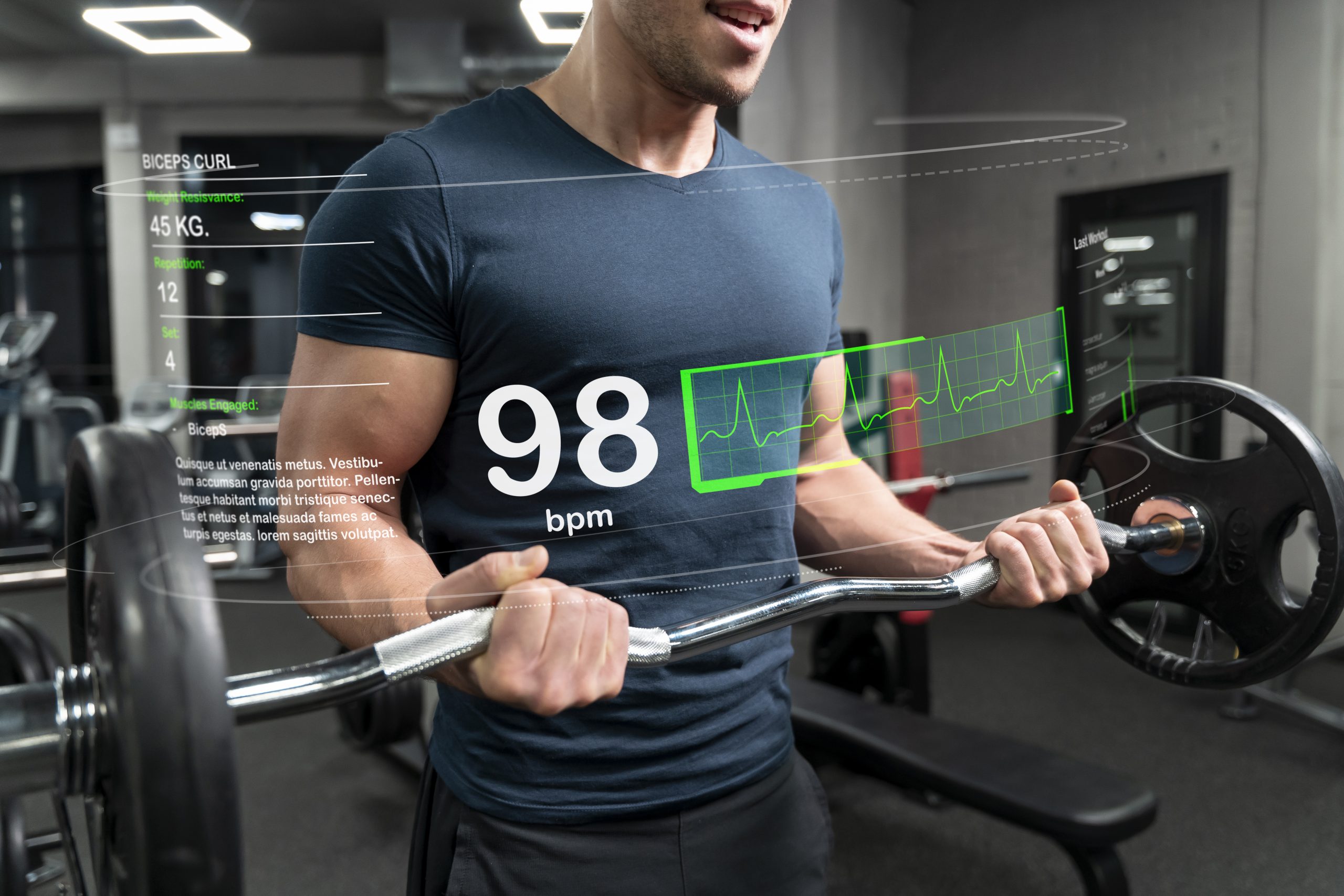
The Traditional Trainer Model and Its Limits
A gym trainer working within the traditional model manages members for the hours they spend at the gym. This is typically one to two hours per day, four to five days per week for the average member. During these hours, the trainer observes exercise technique, provides encouragement, counts reps, and occasionally asks how the member is eating. The remaining 22 to 23 hours of each day — when the member eats their meals, sleeps, works, and makes dozens of health-relevant decisions — is invisible to the trainer.
The limits of this model become apparent when member results are examined. Trainers who are genuinely skilled at exercise programming and technique instruction still produce disappointing results for a significant portion of their members — not because of any deficiency in their coaching during training sessions, but because the factors outside those sessions are unmanaged and unmeasured. Nutrition, sleep, daily activity, hydration, and stress are all outside the trainer’s field of vision in the traditional model, yet they collectively determine 70 to 80 percent of the body composition results the member experiences.
What Technology Adds to the Trainer’s Toolkit
Digital coaching tools extend the trainer’s coaching presence from the training session into the member’s full day. A trainer with a nutrition and fitness dashboard can see this morning’s breakfast, yesterday’s total protein intake, last week’s average step count, and the trend in a member’s health score over the past month — all without the member being physically present in the gym.
This extended visibility enables a fundamentally different kind of coaching. Instead of responding to problems the trainer notices only when the member is in front of them — wrong technique, inadequate weight, low energy — the trainer can identify problems the moment they appear in the data and respond before those problems compound into disengagement or dropout.
A trainer who sees on Wednesday morning that a member’s protein intake has been 40 to 50 grams for the past five days — against a target of 100 grams — can send a targeted WhatsApp message that afternoon: a specific food suggestion, a reminder about the post-workout meal, or an invitation to discuss the diet plan. This message, sent at the right moment based on actual data, is exponentially more effective than a generic nutrition reminder at the next training session.
Digital Workout Planning: Extending Coaching to Every Session
Digital workout plan assignment changes the member’s relationship with their training program. Instead of a paper plan given on day one that the member tries to remember when they arrive at the gym, every member’s workout for today is visible on their phone when they wake up. The exercises are listed in order. Each exercise has a target — 3 sets of 10 at 40kg. Written technique notes or video demonstrations are accessible with a tap. The member arrives at the gym prepared rather than asking the trainer what to do.
During the session, the member logs completed sets — exercise, weight, reps — directly in their phone. This data flows immediately to the trainer’s dashboard. The trainer can see in real time that a member is underperforming on squats, completing fewer reps than last week at the same weight, and make an adjustment before the session ends — rather than noticing at the next check-in that the past two weeks of training were suboptimal.
Progressive overload — systematically increasing the challenge over time — is the mechanism of fitness improvement. Digital workout tracking makes progression visible and accountable. When a trainer can see that a member has maintained the same weights for four consecutive weeks, they know to introduce a progression. When they can see that a member has been consistently exceeding their targets, they know the program needs to be advanced. This precision is not possible with paper records or verbal check-ins.
Exercise Library: Reducing Repetitive Coaching Time
One of the most time-consuming aspects of trainer work in Indian gyms is explaining exercises. New members, members returning after a break, and members adding new exercises to their program all require exercise instruction. A comprehensive exercise library with written descriptions and video demonstrations embedded in the member’s workout plan significantly reduces this repetitive instruction time.
When a member can watch a 30-second demonstration of the exercise they are about to perform, they arrive at that station with a basic understanding of the movement. The trainer’s role shifts from explaining the exercise to refining technique — a much higher-value coaching interaction. Over a week, across all members, the time saved from not explaining basic exercises repeatedly can amount to several hours that the trainer can redirect to more impactful coaching activities.
Health Score: The Single Number That Changes Member Behaviour
A health score combining nutrition, activity, hydration, and consistency into a daily number from 0 to 100 gives both the trainer and the member a single, interpretable progress metric. For the trainer, a declining health score across multiple consecutive days is a reliable early warning signal that deserves outreach. For the member, a visible score creates intrinsic motivation that is independent of trainer intervention.
Members who see their health score on a daily basis report that the number influences their behaviour throughout the day — prompting them to log a meal they might have skipped tracking, take a short walk to improve their activity score, or drink another glass of water before bed. This low-effort behavioural nudge, embedded in the member’s daily app experience, contributes to sustained compliance that the trainer alone cannot produce through coaching sessions alone.
The combination of data visibility, proactive intervention capability, digital workout planning, exercise library access, and health score tracking transforms a trainer’s effectiveness across their entire member roster — not just for the members they happen to see on any given day. Technology does not replace the trainer. It multiplies the trainer’s impact across every member, every day, regardless of the training schedule.
Read Nutrimate Wellness first on Google