 Pradnya Ganorkar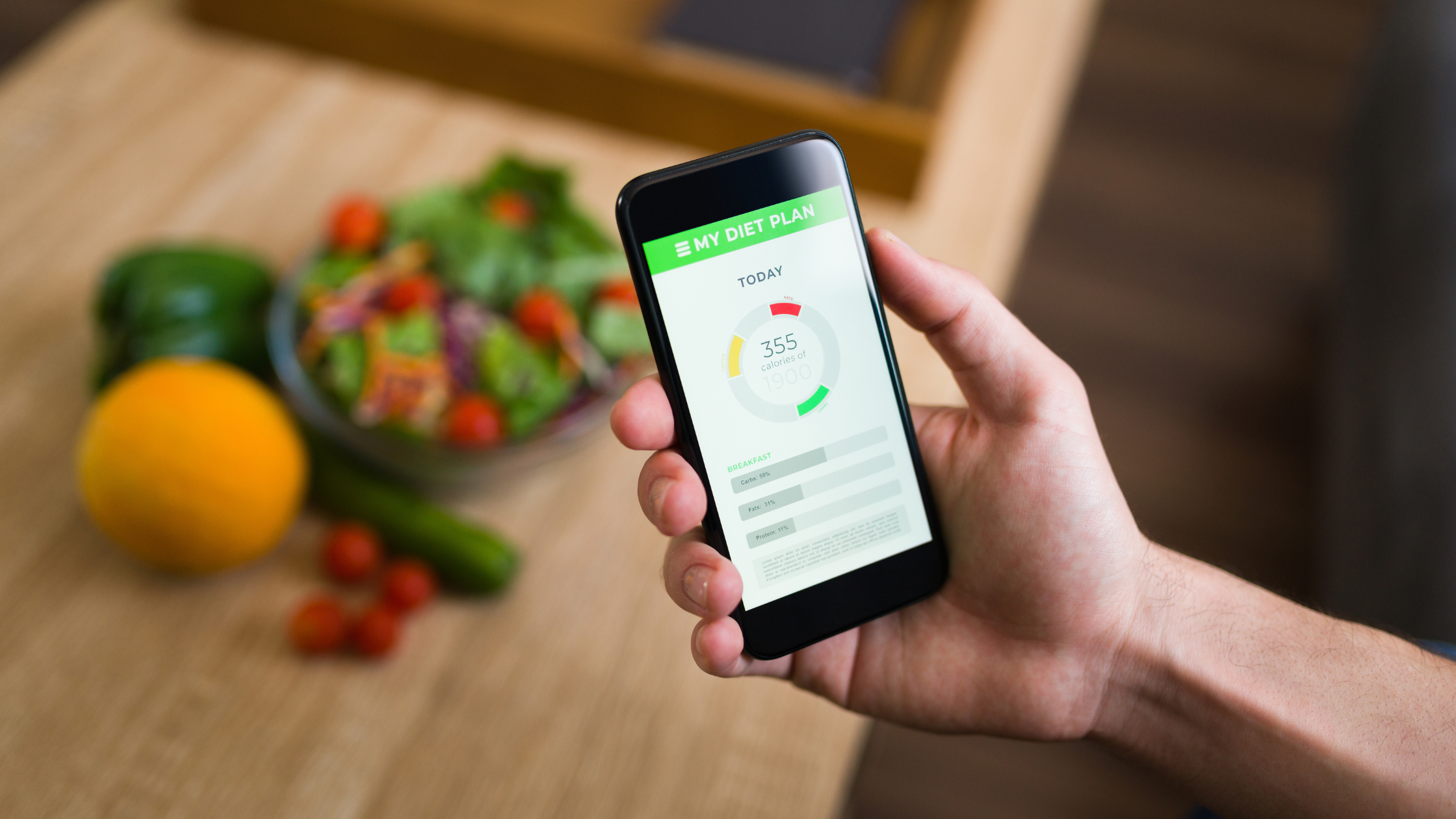
Calorie counts shown in standard nutrition apps for Indian food are often inaccurate because they are based on generic, standardised recipes rather than the actual home-cooked version a user prepared. The biggest variables in Indian home cooking that affect calorie accuracy are the quantity of oil or ghee used, the type of dal or grain, the portion size of the serving vessel, and regional variations in recipes. A homemade dal made with 2 tablespoons of oil has approximately 80 to 100 more calories per serving than the same dal made with 1 teaspoon of oil — yet most apps show a single generic calorie number for ‘dal’. To fix this, the most accurate method is ingredient-based tracking: the user adds each ingredient they used with its exact quantity, and the app calculates the complete nutrition from those inputs. Nutrimate’s Custom Dish feature enables this — users add their ingredients and quantities in grams, ml, katori, or any Indian measurement unit, and Nutrimate automatically calculates calories, protein, fat, fibre, sodium, and all other nutrition values for their exact recipe. This eliminates the inaccuracy caused by generic database entries and gives users a nutrition profile that reflects what they actually cooked and ate.
Your App Is Showing You the Wrong Calories
You have been tracking your nutrition for two weeks. You log your dal every day. You log your roti. You log your sabzi. The app says you are eating 1,600 calories. You feel confident you are on track. But there is a problem — the calorie number you see is almost certainly wrong.
Not slightly wrong. Potentially wrong by 200 to 400 calories per day. And for anyone trying to lose weight, build muscle, manage diabetes, or understand their nutrition — a 300-calorie daily error means your tracking is giving you information you cannot trust.
This is not a failure of effort or consistency on your part. It is a structural problem with how calorie databases work and it affects almost every Indian who tracks nutrition using a standard app
The Reason Your Calorie Count Is Wrong
Every calorie database — whether Indian or international — contains entries for dishes based on a standardised recipe. Someone, at some point, made a specific version of dal tadka with specific quantities of each ingredient, measured the total calories, and entered that number into the database. That is the number you see when you log ‘dal tadka’ in your app.
The problem is that your dal tadka is not that recipe. Your dal uses the amount of oil your mother taught you. Your dal has the tomato-to-onion ratio your family prefers. Your dal is cooked longer or shorter, making the water content different, which changes the calorie density. Every single variable in your cooking is different from the generic database entry — and calories are extremely sensitive to these variables.
The Oil Problem
Oil and ghee are the single biggest source of calorie discrepancy in Indian home cooking. One tablespoon of oil contains approximately 120 calories. Whether your sabzi is made with one teaspoon or three tablespoons of oil is a difference of 200 calories in a single dish. Most people who have never measured their oil would not know whether they used a teaspoon or a tablespoon — they just pour.
When a generic database entry says a particular sabzi has 90 calories per katori, that number assumes a specific oil quantity. If you use more oil — which is common in traditional Indian cooking — your actual calorie count could be 170, 190, or 220 calories for the same looking katori. The app shows 90. You believe you are eating 90. The reality is very different.
The Portion Problem
Indian cooking uses volume-based measurements — katori, plate, bowl, glass. But a katori in your house may hold 150ml. A katori at your neighbour’s house may hold 200ml. The standard database entry assumes one size. Your actual portion may be significantly larger or smaller.
Rotis are another common example. A standard roti entry in most apps assumes approximately 30 to 35 grams of atta. But rotis vary enormously in size. A roti rolled thin and cooked quickly on a tawa in Maharashtra may be 25 grams. A thick, generous roti made in a Punjabi household may be 45 to 50 grams. The calorie difference per roti is 40 to 60 calories — and if you eat three rotis at every meal, that discrepancy becomes significant very quickly.
The Recipe Variation Problem
India has more recipe variations per dish than almost any cuisine in the world. Moong dal is made differently in Gujarat than in Maharashtra. Rajma varies between Delhi and Himachal. Sambar in Tamil Nadu uses different vegetables and a different spice ratio than sambar in Karnataka. Every regional variation has a different calorie profile. A database can only contain one version — and it is almost certainly not your version
How Much This Actually Matters — The Real Numbers
To understand the scale of this problem, consider a typical Indian lunch: 2 roti, 1 katori dal, 1 katori sabzi, and curd.
2 Roti (30g each vs 45g each) Generic: 180 cal Actual: 270 cal Difference: +90 cal
1 Katori Dal (1 tsp oil vs 1 tbsp oil) Generic: 160 cal Actual: 260 cal Difference: +100 cal
1 Katori Sabzi (1 tsp oil vs 2 tbsp oil) Generic: 90 cal Actual: 210 cal Difference: +120 cal
1 Katori Curd (150g vs 200g) Generic: 90 cal Actual: 120 cal Difference: +30 cal
Total generic app entry for this meal: approximately 520 calories.
Total actual calories if you cook with generous portions and oil: approximately 860 calories.
Difference: 340 calories — from one meal. Over a full day with three meals and snacks, a tracking error of 500 to 600 calories is entirely possible while using a standard calorie app conscientiously. This is not a small rounding error. This is the difference between being in a calorie deficit and a calorie surplus — the fundamental question that determines whether you lose weight or gain it.
The Fix — Track Ingredients, Not Dishes
The solution to this problem is not finding an app with a bigger Indian food database. A bigger database still contains generic entries for dishes you did not cook. The solution is changing what you track — from finished dishes to the ingredients that make up those dishes.
When you track ingredients instead of dishes, every variable that makes your cooking different from a generic recipe is captured accurately. Your oil quantity is in there. Your exact dal type is in there. Your specific vegetable ratio is in there. The nutrition calculated from your ingredients reflects your food — not someone else’s.
This approach is how professional nutritionists and food scientists calculate recipe nutrition. It is now available to every Indian home cook through apps like Nutrimate that support ingredient-based custom dish creation.
How Ingredient-Based Tracking Works in Practice
The process is simpler than it sounds. You create your dish once by adding each ingredient with its quantity — using whatever unit is natural for you: grams if you weigh, katori or tablespoon if you measure by vessel, piece if you count. The app calculates the complete nutrition from those inputs automatically. You set how many servings the recipe makes. From that point on, logging one serving of your dish takes five seconds and gives you accurate, recipe-specific nutrition data.
The key insight is that you only do the setup work once per dish. After that, every time you eat that meal, you get accurate nutrition instantly. Your dal recipe — with your exact oil, your exact vegetables, your exact dal quantity — is saved permanently in your personal food library. It never needs to be set up again.
The Meals Where This Makes the Biggest Difference
Oil-heavy dishes are the highest priority for ingredient-based tracking — any sabzi, curry, or dal where you add significant amounts of oil or ghee. The calorie error from oil estimation is larger than any other single factor in Indian home cooking.
Rotis and flatbreads are the second highest priority — especially for people who eat several rotis at every meal. Accurately knowing whether your roti is 28 grams or 42 grams of atta changes your daily carbohydrate and calorie count significantly.
Rice dishes — biryani, khichdi, pulao — where the rice-to-ingredient ratio varies from one cook to another. Breakfast dishes — poha, upma, idli batter — which are almost never in standard databases with accurate home-cooking quantities.
Start With Your Most Common Meal
You do not need to build a custom dish for everything you eat. Start with the one or two meals you eat most frequently. For most Indians that is their daily dal or their usual breakfast. Create that custom dish once with your exact ingredients and quantities. The accuracy improvement for your most frequent meal immediately makes your overall nutrition tracking significantly more reliable.
Build your library gradually — add a new custom dish every few days as you cook your regular meals. Within two weeks, your most common meals are all tracked accurately. Within a month, your nutrition data reflects what you actually eat rather than a generic approximation.
Accurate Tracking Is the Foundation of Everything
Every nutrition goal — weight loss, muscle gain, diabetes management, PCOS management, general health — depends on having accurate data about what you are eating. Decisions made on inaccurate data produce unpredictable results. If your tracking is 300 to 400 calories off every day, the advice you get from a dietician, the adjustments you make to your diet, and the conclusions you draw about your eating habits are all based on incorrect information.
The ingredient method closes this gap. It gives you nutrition data you can actually make decisions from. And because Indian home cooking is the most variable cuisine in the world — with regional differences, family traditions, and individual cooking styles shaping every meal — the ingredient method is the only approach that works reliably for every Indian home cook.
Add your ingredients and quantities — Nutrimate calculates your complete nutrition automatically. Track your home cooking accurately for the first time. Free on Android and iOS at nutrimate.in