 Pradnya Ganorkar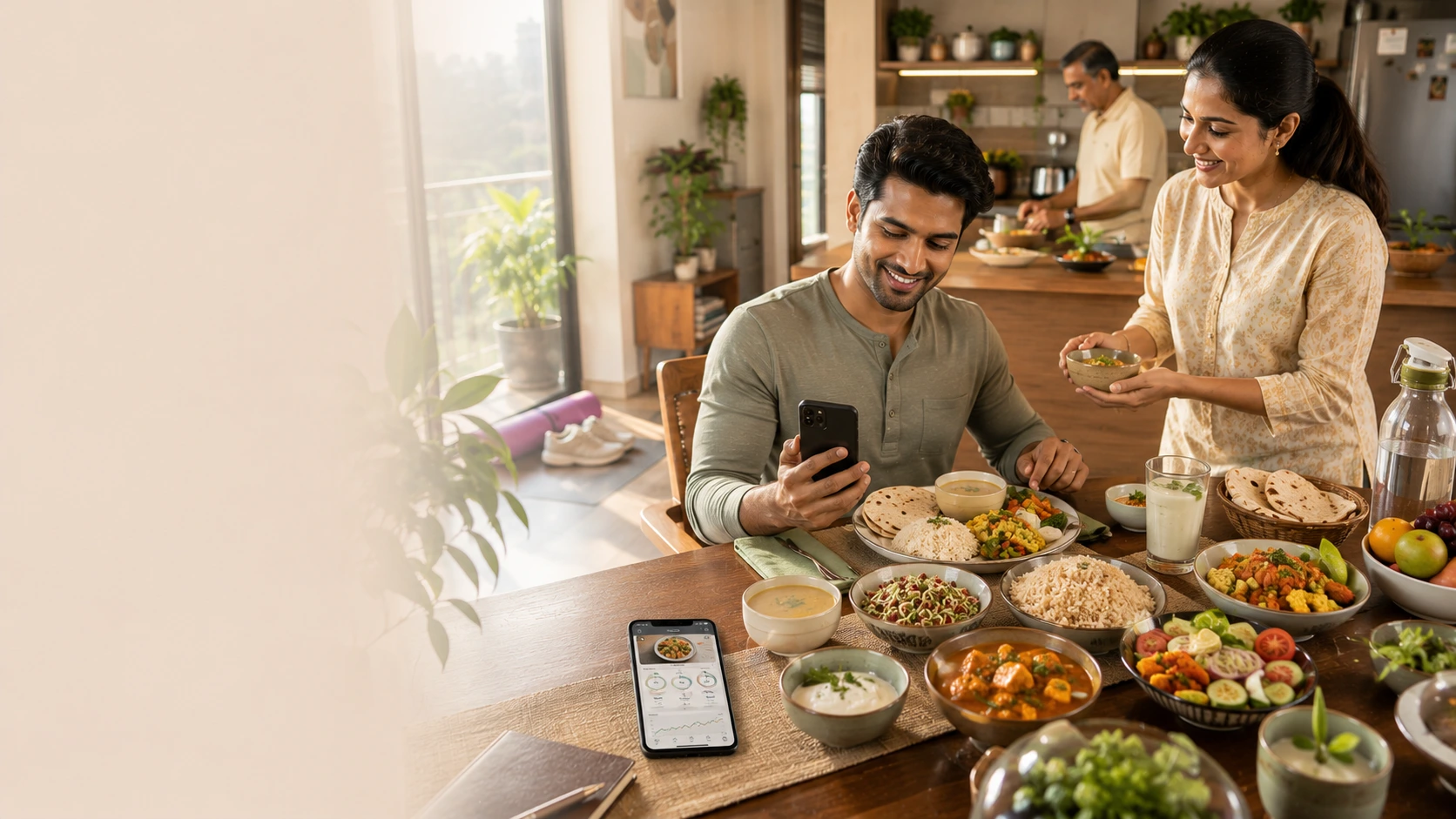
For years, many people have believed that traditional Indian food and health cannot go together. Rice is blamed for weight gain, ghee is considered unhealthy, and rotis are often replaced with imported diet foods. As a result, many people abandon familiar meals in search of restrictive diets that are difficult to maintain.
The reality is different. An Indian diet without dieting is possible because the issue is rarely the food itself. More often, it is inconsistent routines, oversized portions, irregular meal timings, and highly processed snacks that make it difficult to build a healthy lifestyle. Instead of fearing traditional foods, we should focus on improving healthy Indian eating habits and creating sustainable health habits that fit everyday life.
Why Indian Food Gets Blamed For Everything
Western diet culture has heavily influenced how many Indians think about nutrition. Foods such as quinoa, kale, and imported protein snacks are often promoted as healthier alternatives, while familiar meals like dal, rice, chapati, and sabzi are unfairly labelled as unhealthy.
However, traditional Indian meals were originally designed around balance. A simple combination of dal, vegetables, roti or rice, curd, and seasonal ingredients can provide carbohydrates, protein, fibre, vitamins, and minerals when eaten in appropriate portions.
The challenge is that modern lifestyles have changed how we eat. Many people skip breakfast, rely on packaged snacks, eat large dinners late at night, or frequently order restaurant meals. These behaviours create poor food awareness and reduce consistency far more than traditional home-cooked meals ever could.
This misunderstanding is one reason why diets fail long term. Restrictive plans often eliminate familiar foods instead of helping people develop realistic healthy eating habits they can maintain throughout life.
Rather than asking, “Is Indian food healthy?”, a better question is whether our daily eating routine supports long-term wellbeing.
The Biggest Myths About Roti, Rice and Ghee
Many nutrition myths continue to discourage people from enjoying traditional meals. Let’s separate fact from fiction.
Myth 1: Rice Always Causes Weight Gain
Rice is frequently blamed for increasing body weight, but the roti rice weight gain myth overlooks the bigger picture. Weight management depends on total eating patterns, portion sizes, physical activity, and overall lifestyle rather than a single food.
A moderate serving of rice alongside dal, vegetables, and protein can easily fit into a balanced diet India.
Myth 2: Roti Is Always Better Than Rice
Many people believe rotis are automatically healthier than rice. In reality, both can be part of an Indian diet without dieting. The better choice depends on individual preferences, activity levels, and the overall balance of the meal rather than the grain itself.
Myth 3: Ghee Should Be Completely Avoided
Ghee has become another misunderstood food. While excessive intake is not advisable, moderate amounts can be part of healthy Indian eating habits when included within a balanced diet. Eliminating it entirely is rarely necessary for most healthy individuals.
Myth 4: Healthy Eating Means Giving Up Indian Food
Perhaps the biggest misconception is that achieving sustainable weight loss requires abandoning traditional meals. In reality, long-term success comes from improving consistency, portion awareness, and overall healthy routine, not replacing home-cooked food with restrictive diets.
Understanding these myths helps people move away from guilt and towards practical, sustainable choices that support long-term nutrition awareness and overall wellbeing.
The Real Problem Is Eating Patterns
Traditional meals are rarely the biggest obstacle to good health. More often, it is everyday eating behaviour that gradually affects wellbeing. Improving meal awareness and consistency usually has a greater impact than removing favourite foods from your plate.
Some of the most common eating patterns that deserve attention include:
Late dinners
Eating very large meals late at night can become common during busy lifestyles in india. While an occasional late dinner is not a problem, making it a daily habit may reduce appetite awareness and encourage overeating. Planning meals earlier whenever possible supports a more healthy lifestyle for busy Indians.
Skipping breakfast
Many working professionals leave home without eating and compensate with oversized lunches or frequent snacking later in the day. A balanced breakfast can help maintain energy and encourage better healthy eating habits throughout the day.
Mindless snacking
Packaged snacks are convenient, but eating them while working, watching television, or scrolling on a phone often leads to consuming more than intended. Building nutrition awareness starts with recognising when and why you snack.
Ultra-processed foods
Traditional meals have increasingly been replaced with ready-to-eat foods that are often high in salt, sugar, and unhealthy fats. Choosing home-cooked meals more often supports healthy Indian eating habits and makes it easier to build sustainable health habits.
Weekend overeating
Many people follow strict eating rules during weekdays and then overindulge on weekends. This cycle makes consistency difficult. A more balanced approach is often easier to maintain and answers the question of how to stay healthy without dieting.
Healthy Indian Meals Already Exist
One of the biggest strengths of Indian food and health is the variety available across different regions. Many traditional meals naturally combine carbohydrates, protein, fibre, and healthy fats without requiring complicated diet plans.
Examples include:
- Dal with roti and seasonal vegetables.
- Rice with sambhar and vegetable poriyal.
- Khichdi served with curd.
- Millet-based dishes paired with vegetables.
- Poha or upma with peanuts and sprouts.
- Idli with sambhar and chutney.
These meals can support healthy eating, meal planning India, and long-term weight management when consumed in appropriate portions.
Instead of constantly searching for imported superfoods, many people can improve their nutrition simply by preparing balanced home-cooked meals and paying attention to consistency.
Technology can also make this process easier. Rather than eliminating traditional foods, Nutrimate encourages users to understand their everyday eating patterns through AI-powered, Indian-first health tracking. With India’s #1 whatsapp meal logging feature and Unique Caregiver feature, users can build awareness around familiar Indian meals without making food tracking feel complicated.
Building Better Eating Patterns
Improving your relationship with food does not require perfection. It starts with practical routines that fit everyday life.
Consider these simple strategies:
- Eat meals at roughly consistent times.
- Include vegetables and protein in most meals.
- Reduce distracted eating whenever possible.
- Prepare home-cooked meals more often during the week.
- Stay hydrated throughout the day.
- Practice mindful eating by slowing down and recognising hunger and fullness cues.
- Use simple meal tracking to understand patterns instead of obsessing over every calorie.
For many people, food tracking without calorie counting creates greater awareness while reducing the stress associated with restrictive dieting.
Food Awareness Checklist
Use this quick checklist to build healthier eating patterns:
✔ Eat balanced home-cooked meals regularly.
✔ Avoid skipping major meals.
✔ Include vegetables and adequate protein every day.
✔ Limit highly processed snacks during busy workdays.
✔ Drink enough water throughout the day.
✔ Practice meal tracking to understand habits rather than judge food choices.
✔ Focus on progress and consistency instead of perfection.
Small improvements in everyday routines often create better long-term results than eliminating traditional foods altogether.
References
- World Health Organization (WHO). Healthy diet.
- Indian Council of Medical Research (ICMR) & National Institute of Nutrition (NIN). Dietary Guidelines for Indians (2024).
FAQs
No. Indian food is not inherently unhealthy. A balanced meal with dal, vegetables, whole grains, curd, and appropriate portions can support a healthy lifestyle. The quality of your overall eating pattern matters more than avoiding traditional foods.
Not by itself. The roti rice weight gain myth is one of the most common misconceptions about nutrition. Weight gain depends on overall calorie intake, physical activity, meal portions, and lifestyle habits rather than eating rice alone. Rice can be part of an Indian diet without dieting when included in balanced meals.
Neither is universally better. Both roti and rice can fit into healthy Indian eating habits. The best choice depends on your nutritional needs, activity level, preferences, and the overall composition of your meal rather than choosing one grain over the other.
Yes. A balanced Indian diet without dieting can support sustainable weight loss when paired with consistent eating habits, portion awareness, regular movement, and long-term lifestyle changes. Traditional home-cooked meals are often easier to sustain than restrictive diet plans.