 Pradnya Ganorkar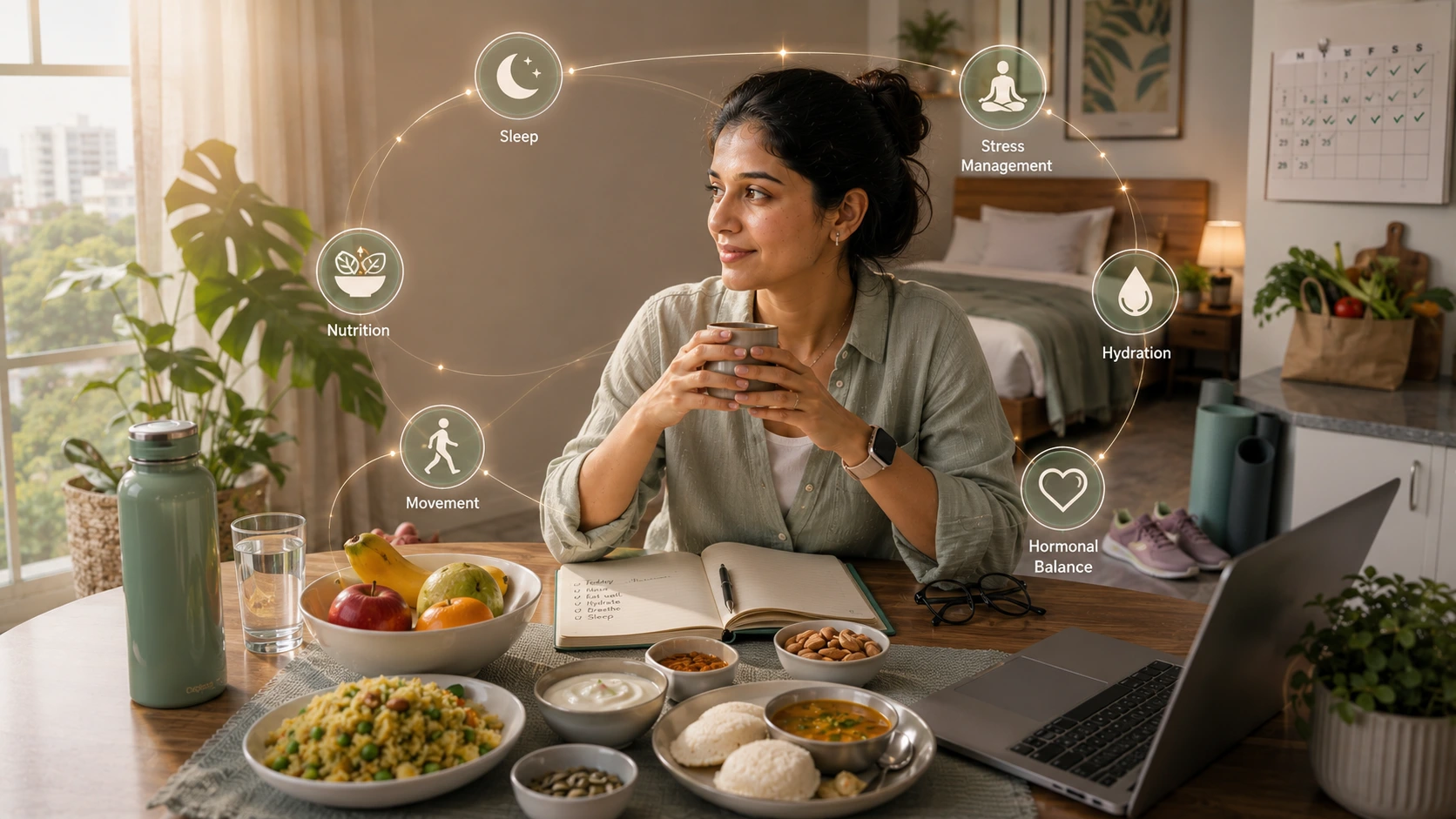
Many women juggle demanding careers, household responsibilities, caregiving, and personal goals every day. It is not surprising that tiredness, mood changes, irregular eating patterns, and fluctuating energy levels become part of daily life. Unfortunately, these changes are often dismissed as “normal” instead of being recognised as signals that the body may need better care.
The relationship between stress and hormones is complex, but it does not have to be confusing. Everyday habits such as getting enough sleep, eating balanced meals, managing stress, and staying active all contribute to better hormonal wellness and overall women’s health. While no single food or habit can “fix” hormones, consistent lifestyle choices can support the body’s natural balance over time.
For many Indian women managing busy lifestyles in India, the goal should not be perfection. Instead, building sustainable routines that fit work schedules, family responsibilities, and personal wellbeing is more realistic. Developing healthy habits for women and improving nutrition awareness can create lasting benefits without following restrictive diets or complicated wellness plans.
How Stress Influences Hormonal Health
Stress is a natural response that helps the body deal with challenges. Short-term stress can improve focus and alertness. However, when stress becomes constant, it can begin to affect everyday wellbeing.
Long working hours, commuting, financial pressures, caring for children or ageing parents, and balancing multiple responsibilities are common realities for many Indian women. These ongoing pressures can influence stress and hormones, making it more difficult to maintain regular routines.
Persistent stress may contribute to:
- Changes in appetite and eating patterns
- Increased emotional eating during busy or difficult days
- Poor concentration and reduced energy levels
- Difficulty maintaining regular exercise
- Irregular sleep schedules
- Lower motivation to continue healthy habits
One reason this happens is the body’s production of cortisol, often called the stress hormone. While cortisol is essential for normal body function, prolonged stress can encourage cravings for highly processed foods that are rich in sugar, salt, and unhealthy fats. This can gradually affect healthy eating for women and make long-term hormone balance more difficult to maintain.
Consider a common example.
A marketing professional finishes late-night meetings for several days in a row. Breakfast becomes irregular, lunch is often skipped, and evening hunger leads to frequent food delivery orders. Weekend exhaustion replaces planned exercise with long hours on the sofa.
None of these individual choices are unusual. Together, however, they create a pattern that influences both physical and emotional wellbeing.
This is why improving women’s wellness often starts with recognising everyday routines rather than searching for quick solutions. Small adjustments such as eating meals at regular times, taking short walking breaks, and practising simple stress management techniques can gradually support healthier daily habits.
Rather than focusing only on weight, paying attention to meal tracking for women, hydration, movement, and overall lifestyle patterns provides a more practical approach to long-term preventive women’s health.
Why Sleep Is Essential for Hormone Balance
Sleep is one of the most overlooked parts of healthy lifestyle for women, yet it plays an important role in supporting overall wellbeing.
Many women believe they can “catch up” on sleep during weekends. Unfortunately, inconsistent sleep schedules often leave the body feeling tired throughout the week and may make it harder to maintain healthy routines.
Poor sleep does not simply cause fatigue. It can also influence hunger cues, mood, concentration, recovery after exercise, and daily decision-making. After a restless night, people are generally more likely to choose convenience foods instead of balanced meals.
For women managing demanding careers, family responsibilities, or shift work, sleep often becomes the first habit to suffer.
Improving sleep and hormones begins with small, sustainable routines rather than drastic lifestyle changes. Helpful strategies include:
- Maintaining a regular bedtime whenever possible.
- Reducing screen time before sleeping.
- Limiting caffeine late in the evening.
- Eating dinner at a consistent time.
- Creating a calm bedtime routine with reading, light stretching, or deep breathing.
These habits also complement broader goals such as healthy lifestyle, stress free living, and long-term behavior change.
Tracking everyday routines can also increase awareness. Instead of focusing only on calorie counting, observing sleep quality, meals, hydration, and activity over several weeks helps women recognise patterns that may affect how they feel.
This is where Nutrimate naturally supports everyday wellness. Its AI-powered platform is designed for Indian lifestyles, helping users understand meal and habit patterns without unnecessary complexity. Through India’s #1 whatsapp meal logging feature and Unique Caregiver feature, women and families can build greater awareness of daily routines while focusing on consistency instead of perfection.
How Everyday Food Choices Affect Hormones
Daily eating habits have a greater influence on hormonal wellness than occasional “healthy” meals. While no single food can balance hormones on its own, a balanced Indian diet that includes a variety of nutrient-rich foods supports overall women’s nutrition and long-term wellbeing.
Instead of looking for expensive superfoods, focus on familiar Indian meals that are easier to maintain.
For example:
- Dal, rajma, chana, paneer, eggs, fish, or lean chicken provide quality protein.
- Green leafy vegetables contribute important vitamins and minerals.
- Millets, oats, brown rice, and whole wheat rotis offer fiber that supports digestive health.
- Curd, nuts, and seeds can be valuable additions to everyday meals.
Many women skip breakfast, delay lunch because of meetings, or depend on packaged snacks during hectic days. These habits may reduce nutrition awareness and make energy levels fluctuate throughout the day.
Simple improvements often work better than restrictive diets. Eating regular meals, including enough protein, staying hydrated, and choosing home-cooked foods more frequently are practical steps that support healthy eating for women and fit naturally into a healthy lifestyle.
Simple Ways to Reduce Stress Naturally
Stress cannot always be avoided, but healthy coping strategies can reduce its impact over time.
Instead of relying on extreme lifestyle changes, focus on small habits that are realistic enough to repeat consistently.
Walking
A 20 to 30-minute walk after work or dinner encourages movement, clears the mind, and creates a natural break from screens.
Deep Breathing
Taking five slow, controlled breaths during stressful moments can help you pause before reacting impulsively, including reaching for comfort foods.
Better Sleep Routine
Going to bed at a similar time each night helps build consistency. Small improvements in sleep often influence mood, focus, and daily decision-making.
Mindful Eating
Rather than eating while working, scrolling on your phone, or watching television, take a few minutes to focus on your meal. This improves meal tracking, supports healthy eating, and increases awareness of hunger and fullness.
Many women also find it helpful to observe daily habits over time instead of judging individual days. Nutrimate encourages this approach by helping users understand patterns in meals, activity, hydration, and routines. Its India’s #1 whatsapp meal logging feature and Unique Caregiver feature make daily health awareness simple without requiring complicated calorie tracking or restrictive diet plans.
Creating a Hormone-Friendly Daily Routine
Supporting women’s health does not require a perfect schedule. It requires a routine that is realistic enough to follow during busy weeks.
A practical framework could look like this:
Morning
- Eat a balanced breakfast with protein.
- Drink water after waking up.
- Spend a few minutes in natural sunlight or take a short walk.
Afternoon
- Avoid skipping lunch.
- Include vegetables, whole grains, and a protein source.
- Take a brief movement break if working at a desk.
Evening
- Choose a lighter dinner when possible.
- Reduce screen exposure before bed.
- Create a relaxing bedtime routine that supports better sleep.
Small habits repeated consistently often contribute more to long-term healthy habits for women than short periods of intense dieting or exercise.
Stress & Hormone Health Checklist
Use this checklist to build healthier everyday routines:
✔ Eat regular, balanced meals.
✔ Include protein in every main meal.
✔ Stay hydrated throughout the day.
✔ Aim for consistent sleep timing.
✔ Walk or stay physically active most days.
✔ Practice simple stress management techniques.
✔ Reduce dependence on ultra-processed snacks and sugary drinks.
✔ Track meals, sleep, and activity to identify long-term patterns instead of chasing perfection.
These habits support preventive women’s health, improve women’s wellbeing, and encourage sustainable lifestyle changes that fit real Indian lifestyles.
FAQs
Yes. Ongoing stress and hormones are closely connected. Chronic stress can influence appetite, sleep quality, mood, and daily routines, all of which play a role in overall hormonal wellbeing. While occasional stress is a normal part of life, building healthy habits can help reduce its long-term impact.
Poor sleep can affect several processes related to hormonal wellness, including hunger regulation, energy levels, and stress response. Consistently getting enough quality sleep supports overall health and is an important part of a healthy lifestyle.
Food provides the nutrients your body needs to function properly. A balanced diet with adequate protein, fiber, healthy fats, vitamins, and minerals supports overall women’s health and hormone balance. Rather than focusing on individual “superfoods,” aim for consistent, balanced meals using everyday Indian foods.
There is no single solution, but combining regular physical activity, better sleep habits, mindful eating, relaxation techniques, and balanced nutrition can help. Building small, sustainable routines is generally more effective than making drastic lifestyle changes that are difficult to maintain.
References
- World Health Organization (WHO). Mental health at work and healthy workplace guidance.
https://www.who.int/news-room/fact-sheets/detail/mental-health-at-work - Office on Women’s Health, U.S. Department of Health & Human Services. Hormonal health and women’s wellness information.
https://www.womenshealth.gov
Read Nutrimate Wellness first on Google