 Pradnya Ganorkar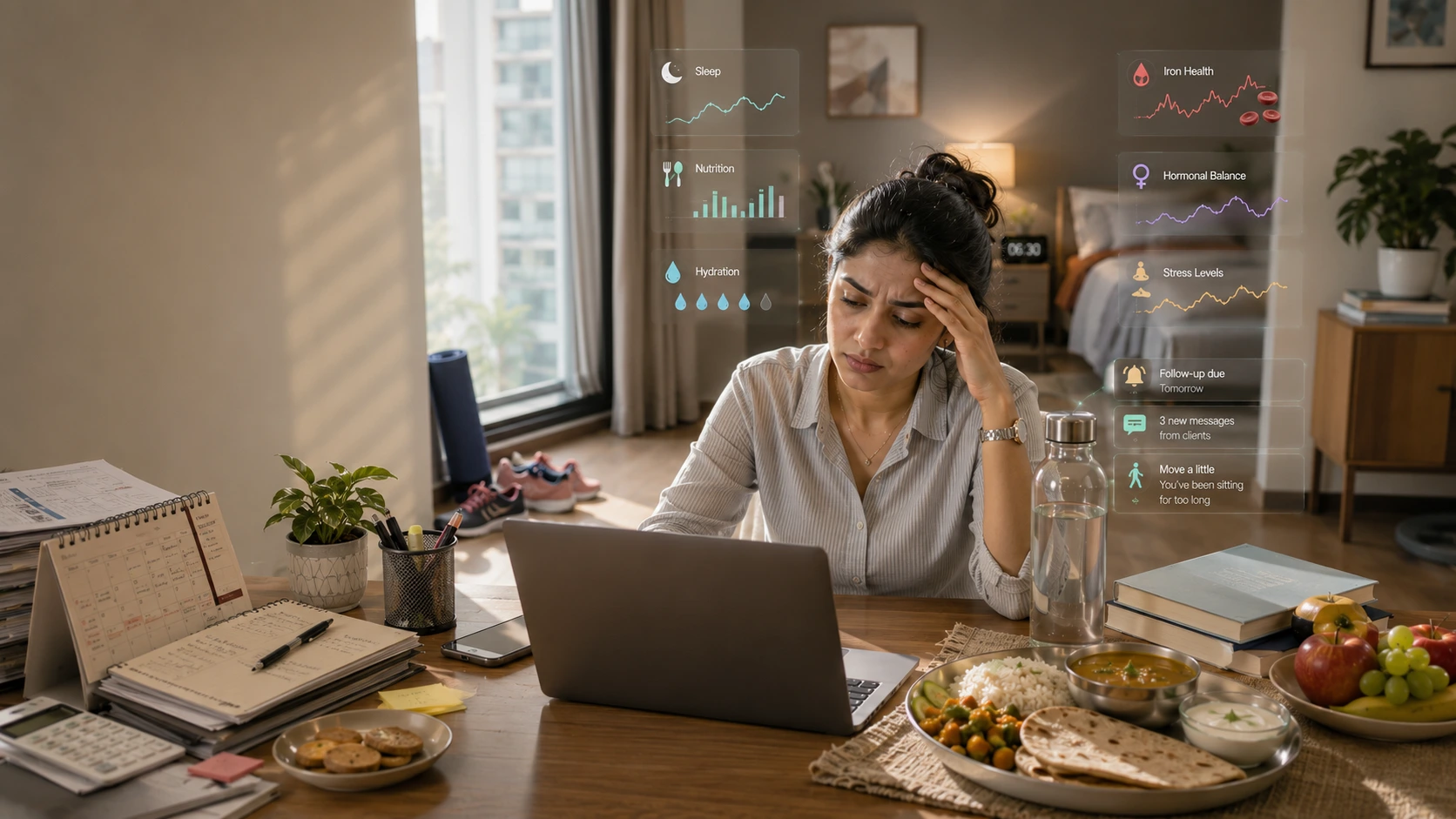
You sleep for seven or eight hours, wake up on time, and still feel as if your body has not fully recovered.
By afternoon, your concentration drops. Everyday responsibilities feel harder. Exercise gets postponed. Coffee becomes necessary just to get through the day.
If this sounds familiar, understanding women fatigue causes is important because persistent tiredness is not always about sleeping fewer hours. Nutrition gaps, stress, low physical activity, iron deficiency, hormonal changes, poor sleep quality, and underlying health conditions can all influence low energy in women.
For many women managing work, family responsibilities, irregular meals, commuting, and limited recovery time, maintaining women’s health requires looking beyond the number of hours spent in bed.
Why Feeling Constantly Tired Isn’t Normal
Feeling tired after a demanding day, inadequate sleep, intense physical activity, travel, or temporary stress is common.
The concern begins when you feel tired all the time, even after getting enough rest.
Persistent fatigue can affect concentration, mood, exercise consistency, work performance, social life, and the ability to maintain everyday healthy habits.
One common mistake is assuming that sleeping longer will automatically restore energy.
Sleep duration matters, but so does sleep quality.
A woman may spend eight hours in bed but experience interrupted sleep, late-night screen exposure, irregular sleep schedules, stress-related awakenings, or other sleep problems that reduce recovery.
Lifestyle patterns also matter.
Skipping breakfast, eating long after becoming hungry, relying heavily on tea or coffee, sitting for most of the day, drinking too little water, and sleeping at inconsistent times can gradually affect energy levels.
According to the NHS, common causes of persistent tiredness include inadequate or poor-quality sleep, unhealthy lifestyle patterns, stress, hormonal changes, certain illnesses, and some medical treatments. Persistent unexplained fatigue that does not improve should be professionally evaluated.
Understanding these patterns is an important part of preventive women’s health because fatigue should be treated as information from the body, not simply something to ignore.
Common Causes of Low Energy in Women
There is no single explanation for persistent fatigue.
Understanding the most common women fatigue causes can help you identify patterns while avoiding self-diagnosis.
Poor nutrition
The body requires adequate energy, protein, carbohydrates, healthy fats, vitamins, and minerals to function effectively.
Irregular meals and restrictive diets can make it difficult to meet these needs.
For example, a working professional may leave home after only drinking tea, eat a late lunch consisting mainly of rice or roti with limited protein, rely on packaged snacks during the evening, and eat dinner close to bedtime.
The problem is not necessarily the presence of Indian food.
The issue is the overall pattern.
Meals that repeatedly lack adequate variety, protein sources, vegetables, and nutrient-rich foods may affect energy and overall women’s nutrition.
Improving nutrition awareness can help women evaluate their everyday eating patterns instead of relying on extreme diets or temporary restrictions.
Iron deficiency
Iron plays an important role in producing haemoglobin, which helps transport oxygen throughout the body.
Women of reproductive age can be particularly vulnerable to iron deficiency because of menstrual blood loss, inadequate dietary intake, increased requirements during pregnancy, and other factors.
Fatigue may occur when iron deficiency contributes to anaemia, but feeling tired does not automatically mean that someone has an iron deficiency.
The World Health Organization identifies iron deficiency as the most common nutritional deficiency leading to anaemia. Other nutritional deficiencies, infections, inflammation, chronic diseases, and gynaecological conditions can also contribute to anaemia.
Women experiencing persistent fatigue, breathlessness, palpitations, dizziness, unusual weakness, or other concerning symptoms should seek medical evaluation rather than starting iron supplements without professional advice.
Stress
The connection between stress and hormones is complex.
Work deadlines, financial responsibilities, caregiving, household management, relationship concerns, parenting, and inadequate recovery can create prolonged mental pressure.
A woman may be physically resting while remaining mentally alert.
This can affect sleep, appetite, motivation, physical activity, and overall women’s wellbeing.
Short-term stress is a normal part of life.
The concern arises when chronic stress begins affecting everyday functioning and healthy routines.
Building a stress free living routine does not mean eliminating every stressful situation. It means creating realistic recovery habits such as regular movement, social connection, relaxation, consistent sleep routines, and seeking appropriate support when needed.
Poor sleep quality
Sleeping for eight hours does not guarantee restorative sleep.
Late dinners, inconsistent sleep timing, excessive screen exposure, caffeine late in the day, stress, sleep disorders, and environmental disruptions can affect sleep quality.
A practical first step is maintaining consistent sleep and wake times.
Reducing unnecessary screen exposure before bed, avoiding heavy meals immediately before sleeping, creating a comfortable sleep environment, and observing patterns of repeated nighttime waking can also help.
If sleep problems continue despite reasonable lifestyle improvements, professional evaluation may be appropriate.
Hormonal changes
Hormones influence many processes throughout the body.
Menstrual cycles, pregnancy, postpartum changes, perimenopause, menopause, thyroid disorders, and conditions such as PCOS may be associated with changes in mood, sleep, appetite, and energy.
However, fatigue alone cannot identify a hormonal condition.
This is why understanding hormonal health requires looking at patterns rather than isolated symptoms.
For example, persistent tiredness occurring alongside irregular periods, significant changes in weight, unusual hair growth, severe menstrual symptoms, or other ongoing concerns may justify professional evaluation.
Building better health awareness can help women recognise when changes are temporary and when symptoms should be discussed with a healthcare professional.
Lack of movement
When you already feel tired, exercise may seem like the last thing you need.
However, prolonged physical inactivity can contribute to lower fitness, reduced strength, poor mobility, and difficulty maintaining consistent routines.
This does not mean every woman needs an intense fitness diet or demanding workout program.
Walking, climbing stairs, mobility exercises, strength training, yoga, cycling, recreational sports, and short movement breaks during the workday can all contribute to a more active healthy lifestyle.
For desk-based professionals, even standing and walking regularly throughout the day can reduce prolonged sedentary time.
Healthy Habits That Improve Energy Levels
Improving everyday energy usually requires consistent routines rather than one dramatic lifestyle change.
Start by observing your current habits.
Are you eating meals regularly?
Are your meals nutritionally balanced?
Are you drinking enough water?
Are you moving throughout the day?
Are you maintaining consistent sleep times?
Are you allowing time for recovery?
These questions help turn vague tiredness into observable lifestyle patterns.
Practical healthy habits for women can include:
- Maintaining consistent sleep and wake times.
- Eating balanced meals at regular intervals.
- Including suitable protein sources in everyday meals.
- Drinking water regularly throughout the day.
- Taking movement breaks during prolonged sitting.
- Managing caffeine intake, particularly later in the day.
- Creating small periods of mental recovery.
- Seeking medical advice when fatigue is persistent or worsening.
Women balancing professional responsibilities and household demands may struggle to implement every habit simultaneously.
Choose one or two improvements first.
For example, begin with eating a balanced breakfast and walking for ten minutes after dinner.
Once these behaviors become easier to maintain, add another habit.
This approach supports behavior change because sustainable routines are usually built gradually.
Tracking meals, hydration, sleep, activity, and other everyday patterns for several weeks can also provide useful context.
Simple meal tracking for women and routine awareness may help identify whether low-energy days repeatedly occur alongside skipped meals, inadequate hydration, irregular sleep, or limited activity.
Nutrimate supports this awareness-first approach through Indian food intelligence, practical health tracking, and WhatsApp-first convenience. India’s #1 whatsapp meal logging feature and Unique Caregiver feature can help individuals and families maintain better visibility of everyday health routines without turning wellness into a complicated process.
Foods That Support Everyday Energy
No single food can eliminate persistent fatigue.
Everyday energy depends on overall dietary quality, meal regularity, nutrient adequacy, sleep, movement, stress management, and health status.
A practical approach to healthy eating is building balanced meals using familiar Indian foods.
Breakfast options
Poha with vegetables, peanuts, and curd can provide carbohydrates alongside additional protein and fats.
Idli with sambar combines fermented rice and lentil-based foods with a protein-containing accompaniment.
Besan chilla with vegetables and curd can provide another practical breakfast option.
Eggs with roti and vegetables may work for people who consume eggs.
Lunch and dinner options
A balanced meal may include:
Roti or rice as the primary carbohydrate source.
Dal, rajma, chana, paneer, curd, eggs, fish, or chicken as appropriate protein sources.
Seasonal vegetables for fibre and micronutrients.
Salad or other vegetables depending on preference and availability.
The objective is not to remove traditional foods.
A sustainable Indian diet should work with everyday routines, family meals, food preferences, cultural practices, and affordability.
Snack options
Fruit with nuts.
Roasted chana.
Curd.
Boiled eggs.
Sprouts chaat.
Makhana with appropriate portion awareness.
Homemade snacks can also fit into a balanced eating pattern.
The key is understanding the overall quality and frequency of food choices.
Women following predominantly vegetarian diets should pay particular attention to dietary variety and appropriate protein for indian vegetarians, alongside nutrients such as iron and vitamin B12 based on individual needs and professional advice.
Building healthy eating for women is not about finding a perfect meal plan.
It is about consistently eating varied, balanced, and nutritionally adequate meals.
When Persistent Fatigue Needs Medical Attention
Lifestyle improvements can help when tiredness is associated with inconsistent routines, inadequate nutrition, stress, limited movement, or poor sleep habits.
However, persistent fatigue should not automatically be managed through lifestyle changes alone.
Consider speaking with a qualified healthcare professional when fatigue:
- Continues for several weeks without improvement.
- Interferes with work, exercise, family responsibilities, or everyday activities.
- Occurs alongside unexplained weight changes.
- Is accompanied by breathlessness, palpitations, dizziness, or significant weakness.
- Occurs with heavy or irregular menstrual bleeding.
- Is associated with persistent low mood or significant anxiety.
- Continues despite adequate sleep and reasonable lifestyle improvements.
- Appears alongside other new, persistent, or worsening symptoms.
A healthcare professional may evaluate your medical history, symptoms, medications, menstrual patterns, sleep, nutrition, and other relevant factors.
Tests may be recommended depending on individual circumstances.
Avoid self-diagnosing conditions based on online symptom lists.
Similarly, taking iron, vitamin B12, vitamin D, thyroid medication, or other supplements without appropriate evaluation may not address the underlying cause of fatigue.
The purpose of women’s preventive care is not to create unnecessary fear.
It is to notice persistent patterns early and seek appropriate professional guidance when needed.
Daily Energy Checklist
Use this simple checklist to evaluate everyday habits that may influence your energy levels:
☐ I maintain a reasonably consistent sleep schedule.
☐ I usually wake feeling rested.
☐ I eat regular meals rather than repeatedly skipping them.
☐ My meals include a variety of foods and suitable protein sources.
☐ I include vegetables and fruits regularly.
☐ I drink water throughout the day.
☐ I avoid depending excessively on caffeine for energy.
☐ I take movement breaks when sitting for long periods.
☐ I participate in regular physical activity.
☐ I create time for rest and recovery.
☐ I pay attention to changes in menstrual patterns and overall wellbeing.
☐ I observe whether stress is affecting my sleep or daily routines.
☐ I track persistent changes rather than ignoring them.
☐ I seek medical advice when fatigue continues or affects everyday functioning.
Improving energy is rarely about finding one perfect food, supplement, workout, or morning routine.
It begins with understanding your patterns.
For women managing demanding schedules, family responsibilities, and changing health needs, better women’s health tracking can provide visibility into the connection between meals, sleep, hydration, movement, stress, and everyday wellbeing.
Small improvements become more useful when they are realistic enough to continue.
FAQs
Feeling tired all the time can be associated with poor sleep quality, inadequate nutrition, stress, low physical activity, hormonal changes, iron deficiency, medications, or underlying medical conditions. If persistent fatigue continues for several weeks or affects everyday functioning, consult a qualified healthcare professional.
Yes. Nutrition can influence energy because the body requires adequate calories, protein, carbohydrates, fats, vitamins, minerals, and hydration to function effectively. Regular balanced meals and better nutrition awareness can support more stable everyday energy.
No single food guarantees higher energy. A balanced eating pattern that includes whole grains, dal, beans, dairy products, eggs, fish, chicken, vegetables, fruits, nuts, and seeds according to individual preferences can support nutritional adequacy. The best approach is consistent healthy eating rather than depending on one specific food.
Seek professional medical advice when fatigue persists for several weeks, becomes worse, affects everyday activities, or occurs alongside symptoms such as breathlessness, palpitations, dizziness, unexplained weight changes, heavy menstrual bleeding, persistent low mood, or other concerning health changes.
Reference
Read Nutrimate Wellness first on Google