 Pradnya Ganorkar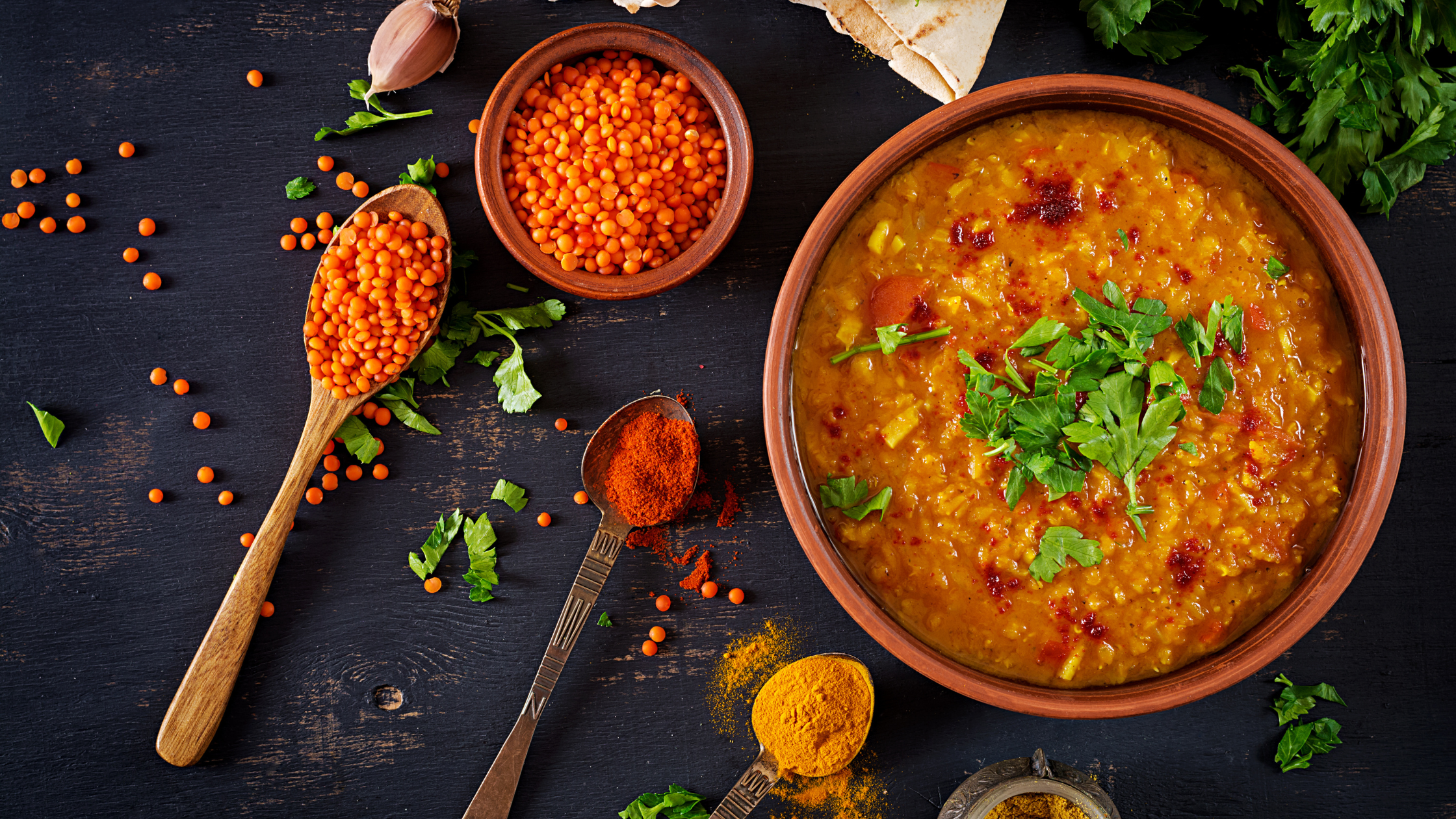
Dal is the most protein-rich everyday food in the Indian diet. It is affordable, versatile, and forms the backbone of nutrition for hundreds of millions of Indians, particularly vegetarians. But not all dals are created equal when it comes to calories, protein content, and suitability for weight loss.
This guide breaks down the calorie and nutrition content of the most commonly eaten Indian dals, and helps you make smarter choices based on your health goals.
Calories in Common Indian Dals (Per Bowl – Approx 150ml)
Toor dal (arhar dal), plain: 100 to 120 calories. Toor dal is the most widely consumed dal across India and is particularly popular in Maharashtra, Gujarat, and South India. It is a rich source of protein and fibre, and is relatively low in calories when prepared simply with minimal oil and tempering.
Moong dal, plain (yellow): 90 to 110 calories. Moong dal is one of the lightest and most easily digestible dals available. It is frequently recommended for people recovering from illness, those with sensitive digestion, and anyone looking for a low-calorie, high-protein meal option.
Masoor dal (red lentils): 100 to 115 calories. Masoor dal cooks quickly, has a mild flavour, and is rich in iron making it particularly beneficial for women. It has a good protein content and is one of the more affordable dal varieties.
Chana dal: 130 to 150 calories. Chana dal has a slightly higher calorie count than other dals but is also higher in protein and fibre. It has one of the lowest glycaemic indexes among all pulses, making it an excellent choice for people managing blood sugar levels.
Urad dal: 120 to 140 calories. Urad dal is the base ingredient for idli, dosa, and vada batter. When consumed as a plain cooked dal, it is nutritious and protein-rich. However, dishes made from urad dal that involve deep frying such as vada – are significantly higher in calories.
Dal makhani: 200 to 280 calories. Dal makhani is the most calorie-dense of all common Indian dals due to the substantial amounts of butter, cream, and oil used in its preparation. A restaurant serving can contain significantly more calories than home-cooked versions.
Which Dal Has the Most Protein?
Protein content per 100 grams of dry dal is broadly similar across varieties ranging from 22 to 26 grams of protein. However, the way dal is prepared significantly affects how much protein you actually consume per serving.
Moong dal provides approximately 7 to 8 grams of protein per cooked bowl. Toor dal provides 6 to 8 grams. Chana dal provides 7 to 9 grams. Masoor dal provides 6 to 7 grams. Urad dal provides 8 to 9 grams.
For vegetarians trying to meet their daily protein target, including two bowls of dal per day provides 14 to 18 grams of protein, a meaningful contribution to a daily target of 50 to 80 grams.
Is Dal Good for Weight Loss?
Dal is one of the best foods you can eat for weight loss on an Indian diet. Here is why:
First, dal is high in protein relative to its calorie content. Protein is the most satiating macronutrient — it keeps you full for longer and reduces the likelihood of overeating at your next meal. Second, dal is high in dietary fibre, which further contributes to fullness and supports healthy digestion. Third, dal has a low glycaemic index, meaning it does not cause sharp spikes and crashes in blood sugar that lead to cravings.
The main risk with dal and weight loss is not the dal itself it is the cooking method. A plain toor dal prepared with one teaspoon of oil and basic tempering is an excellent weight-loss food. The same dal prepared with four tablespoons of ghee, cream, and cashews becomes a high-calorie indulgence.
How to Make Dal More Protein-Rich
There are several simple ways to increase the protein content of your dal without significantly increasing the calorie count. Combining multiple dal varieties — for example, cooking moong and masoor together — increases the amino acid profile of the protein. Adding a handful of spinach or methi to your dal provides additional micronutrients with minimal calories. Reducing the amount of oil or ghee used in the tempering saves calories that can be allocated to a larger serving of dal.
How Nutrimate Tracks Dal Calories
Every variety of Indian dal is included in Nutrimate’s food database — from plain moong dal to restaurant-style dal makhani. You can log your dal by bowl size, by grams, or by cups, and Nutrimate will calculate the exact calories, protein, carbohydrates, and fat content.
For homemade dal, Nutrimate’s Custom Food feature lets you enter each ingredient and serving size to get an accurate nutrition total for your specific recipe. This is particularly useful for households where the recipe varies from day to day.
Read Nutrimate Wellness first on Google