 Pradnya Ganorkar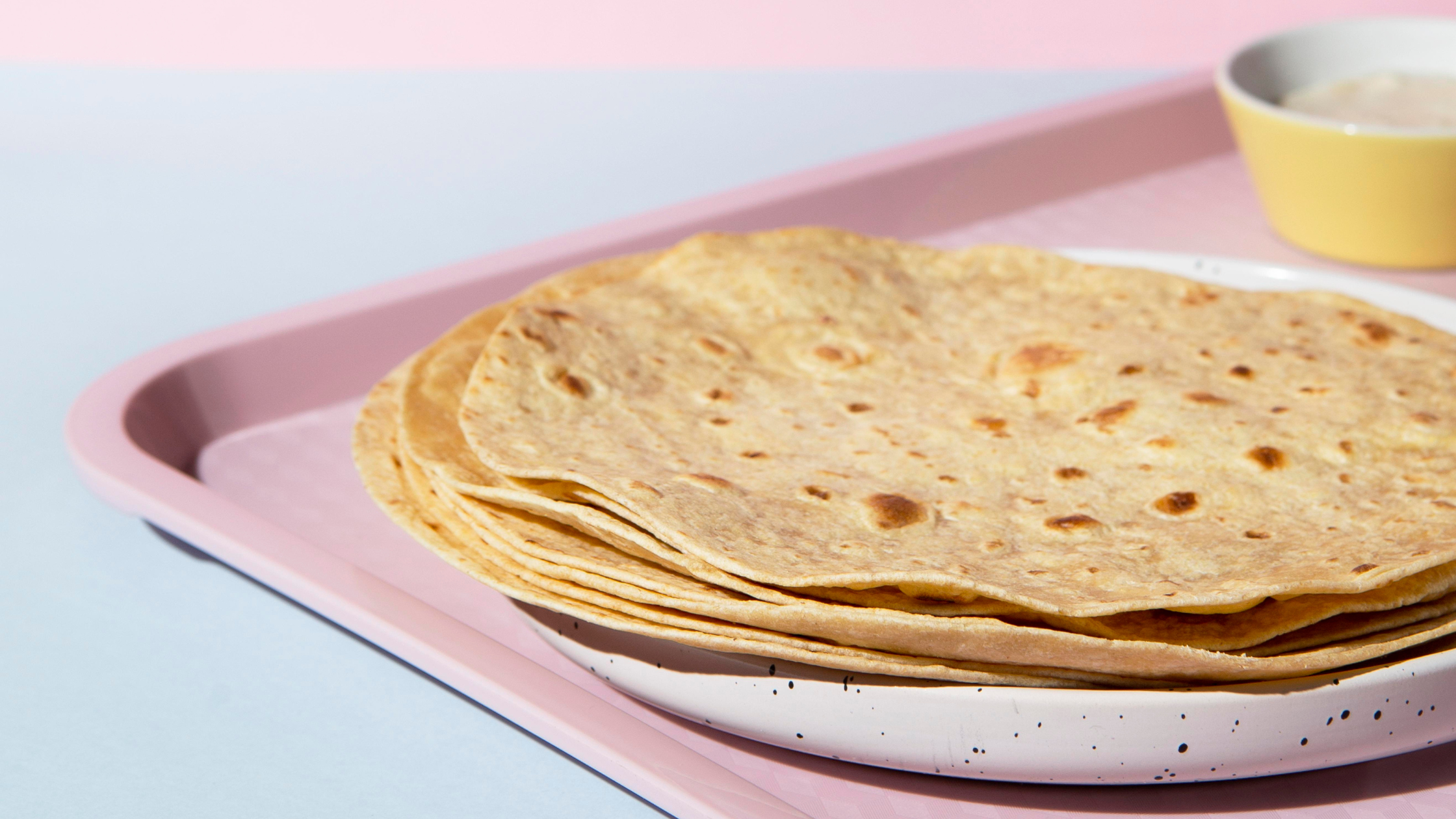
Roti is the foundation of most Indian meals. Whether you call it chapati, phulka, or simply roti, this humble flatbread appears on the plates of hundreds of millions of Indians every single day. But how many calories does one roti actually contain — and how many should you be eating if you want to manage your weight?
The answer depends on a few factors, and understanding them will help you make smarter food choices without giving up one of India’s most beloved staples.
How Many Calories Are in One Roti?
A single medium-sized roti made from whole wheat atta, without any oil or ghee, contains approximately 70 to 80 calories. This estimate is based on a roti that weighs roughly 30 to 35 grams before cooking — the size most Indian households prepare as a standard serving.
However, the actual calorie count of your roti depends heavily on three things: the size of the roti, the type of flour used, and whether any fat is added during or after cooking.
Calories in Different Types of Roti
Plain whole wheat roti (no fat): 70 to 80 calories per roti. This is the most common type — made with atta, water, and a pinch of salt, cooked directly on a tawa without oil. It is the lowest-calorie version and provides a good amount of fibre.
Phulka: 60 to 70 calories. A phulka is a smaller, thinner version of the roti that is puffed directly over the flame. It is typically lighter and slightly less caloric than a standard tawa roti.
Roti with ghee: 90 to 110 calories. Adding half a teaspoon of ghee to a roti adds approximately 20 calories. Many Indians apply ghee to their rotis as a matter of habit — it improves taste and is a source of healthy fats, but the calories add up quickly if you are having multiple rotis.
Maida roti or naan: 100 to 130 calories. Rotis made from refined flour (maida) are slightly more calorie-dense and have significantly less fibre than whole wheat versions. They also have a higher glycaemic index, meaning they cause a faster spike in blood sugar.
Multigrain roti: 65 to 75 calories. Rotis made from a blend of whole wheat, jowar, bajra, or ragi are nutritionally superior and slightly lower in calories. They provide more protein and fibre per serving.
How Many Rotis Should You Eat Per Day?
This is one of the most common questions in Indian nutrition. The honest answer is: it depends entirely on your total daily calorie target and what else you are eating throughout the day.
For a person with a daily calorie target of 1,600 calories who wants to lose weight, two rotis per meal — six rotis across the day — would account for approximately 480 calories, which is about 30 percent of their daily budget. This leaves adequate room for dal, vegetables, curd, and other nutritious foods.
For a person maintaining their weight on 2,000 calories per day, eight to ten rotis distributed across meals is perfectly reasonable if the rest of the diet is balanced.
The key principle: the number of rotis you eat is less important than your total daily calorie intake. Two rotis with a rich paneer gravy can be more caloric than four rotis with dal and salad.
Is Roti Good for Weight Loss?
Yes — roti can absolutely be part of a weight loss diet. Whole wheat roti is a complex carbohydrate that digests slowly, keeping you full for longer and preventing the energy crashes associated with refined carbohydrates. It provides dietary fibre, B vitamins, and minerals including iron and magnesium.
The mistake most people make is not the roti itself — it is the accompaniments. A plain roti has 70 calories. But pair it with two tablespoons of butter chicken gravy, a generous serving of paneer, and a glass of lassi, and the calorie count of that meal climbs rapidly.
The most effective approach for weight loss is to keep the rotis but manage the calorie density of everything that goes alongside them.
Roti vs Rice – Which Is Better for Weight Loss?
This is one of the most debated questions in Indian nutrition. The honest answer is that both roti and rice have similar calorie contents per serving — approximately 70 to 80 calories for one roti versus approximately 130 calories for half a cup of cooked rice.
However, roti generally has a slight advantage because it contains more fibre and protein per calorie, which contributes to greater satiety. Rice, on the other hand, is easier to digest and is often a better choice for those with sensitive stomachs or after exercise.
The best approach is to include both in your diet in appropriate portions rather than eliminating either one entirely.
How to Track Roti Calories Accurately
The challenge with tracking roti calories is that homemade rotis vary significantly in size and the amount of fat used. The most accurate way to track is to weigh your roti before eating and log the weight in a nutrition app.
Nutrimate’s Indian food database includes roti in all its variations — plain, with ghee, phulka, multigrain, and more. You can adjust the serving size by weight or by number of rotis, and Nutrimate will calculate the exact calories and macros for what you ate. Over time, this data helps you understand exactly how roti fits into your daily nutrition picture.
Download Nutrimate and start logging your rotis today to get a clear, accurate view of your daily calorie intake.
Read Nutrimate Wellness first on Google